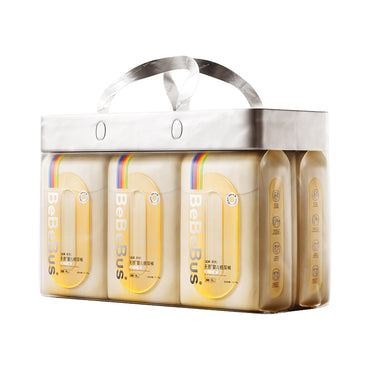
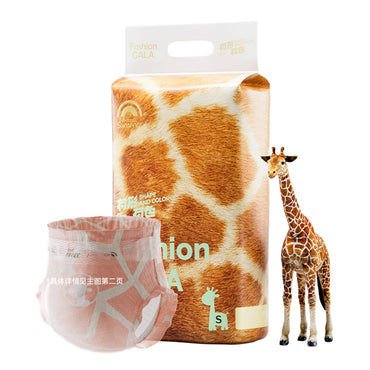
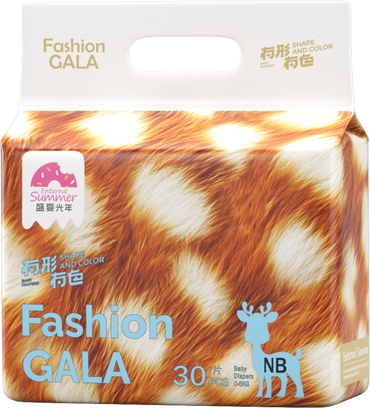
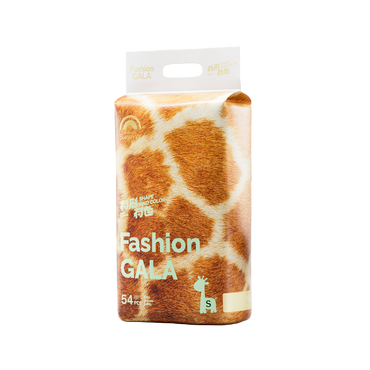
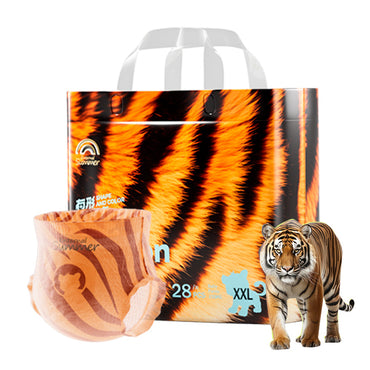
If you are getting ready for a new baby, one of the first practical questions is also one of the most Googled: how many nappies does a newborn need?
The short answer is that most newborns go through around 8 to 12 nappies a day in the early weeks. Some babies use a little less, some use more, especially in the first days when feeds are frequent and you are checking for every wet or dirty nappy.
But parents usually want more than a number. They want to know what to buy, how to avoid leaks, what to do about sensitive skin, and how to choose nappies that feel soft, breathable, and reliable from day one.
This guide is general product guidance for parents, not medical advice.
How many nappies does a newborn use per day?
For most newborns, a realistic starting point is 8 to 12 nappies a day in the first month. In the first week, some babies may use around 6 to 10 per day, then settle into a frequent change routine as feeding increases.
If you are buying before birth, planning around the higher end is usually safer. Newborns have small bladders, frequent bowel motions, and delicate skin that benefits from staying dry and being changed promptly.
How many nappies should you buy before your baby arrives?
- Buy enough for the first 1 to 2 weeks, but do not overbuy one size.
- Keep 1 to 2 newborn packs if you are expecting a smaller baby.
- Choose a few sample packs so you can compare softness, fit, and absorbency.
- Keep one size-up option at home in case your baby outgrows newborn sizing quickly.
This matters because the best newborn nappy is not just about the label on the pack. It is about how the nappy fits your baby’s body shape, how dry it keeps the skin, and whether it stays comfortable overnight and between feeds.
What nappies are best for newborns?
The best newborn nappies usually have five things in common: a soft inner layer, strong absorbency, a breathable design, a secure but flexible fit, and a clear wetness indicator.
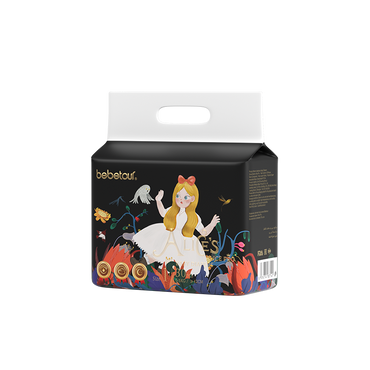
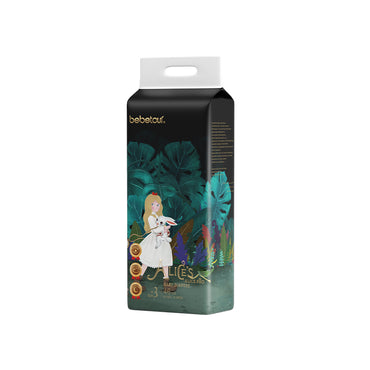
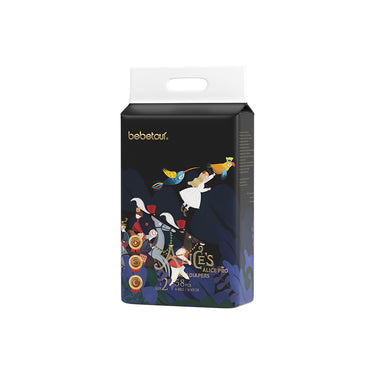
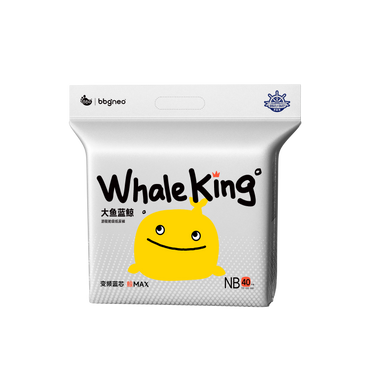
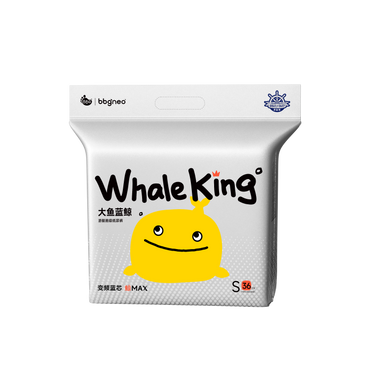
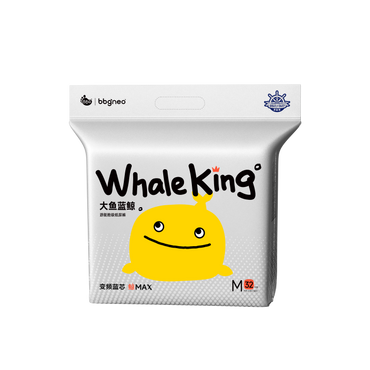
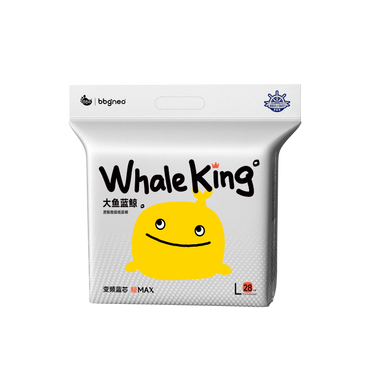
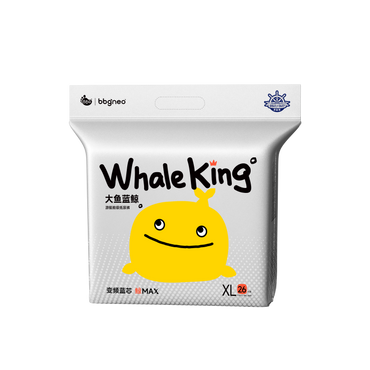
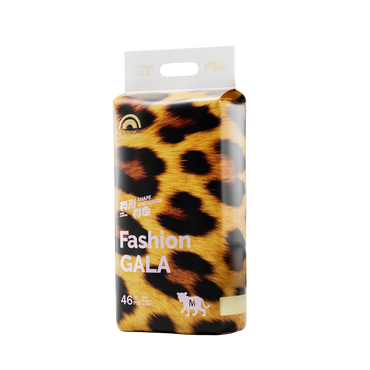
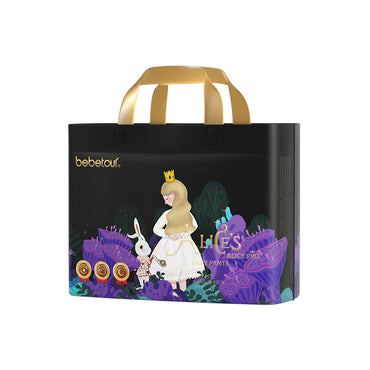
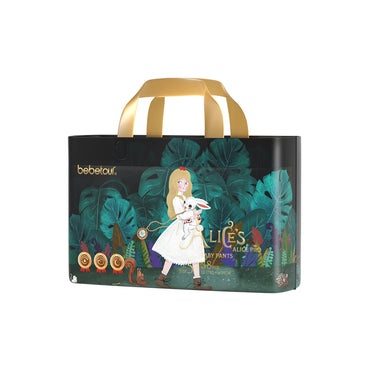
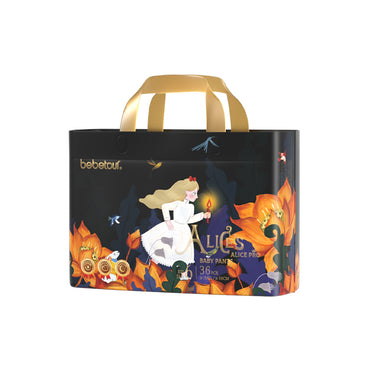
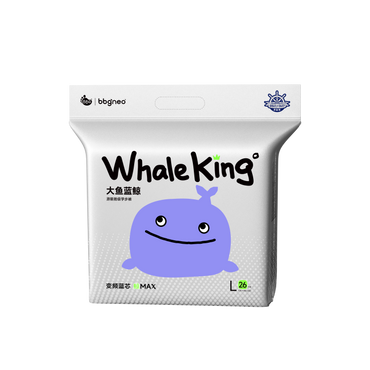
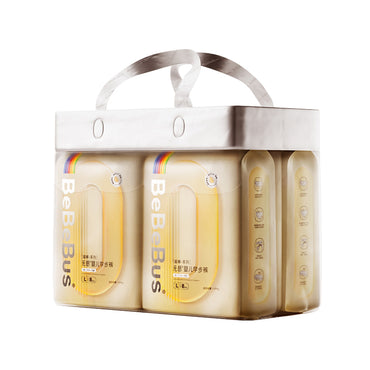
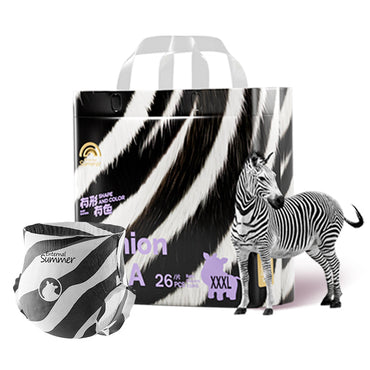
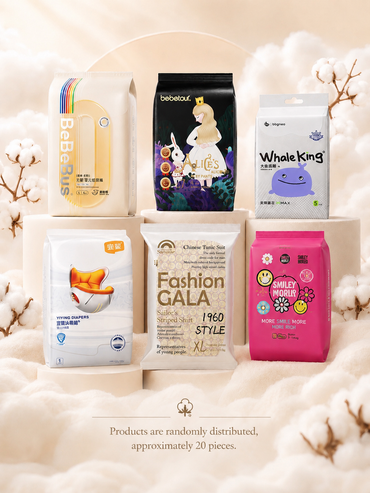
This is one reason many parents are trying premium Asian nappies. A lot of Asian nappy brands focus heavily on softer top sheets, lighter materials, slim absorbent cores, and comfort-first design. That combination can be especially useful for newborns who need frequent changes and all-day softness.
How do you know if a newborn nappy fits properly?
- The waistband sits snugly without digging in.
- The leg cuffs sit neatly around the thighs.
- The nappy stays in place when your baby moves.
- You are not seeing frequent side leaks or back leaks.
If a nappy looks bulky between the legs, slides around, or leaves obvious gaps, it may not be the right design or size for your baby.
When should you size up nappies?
It may be time to size up if leaks become more frequent, the tabs feel tight, the leg area starts leaving stronger marks, or your baby is near the top of the recommended weight range. Sizing up at the right time can improve both absorbency and comfort.
Why do nappies leak?
Nappy leaks are usually caused by one of four things: the size is too small, the leg cuffs are folded inward, the absorbency is not enough for the length of wear, or the fit does not suit your baby’s body shape.
Why do nappies leak at night?
Night leaks usually happen because your baby is wearing the nappy for longer, often in one position, with a heavier amount of liquid to manage. For better overnight dryness, look for a more absorbent core, a secure waistband, well-shaped leg guards, and a size that still fits properly when the nappy expands.
That is where premium Asian nappies can stand out. Some are designed to stay surprisingly slim while still holding a lot, which helps babies feel less bulky at night without giving up absorbency.
What if your baby has sensitive skin?
If your baby seems uncomfortable in some nappies, the issue is often not just sensitive skin in a broad sense. It can be a mix of moisture, warmth, friction, fit, and time spent in a wet nappy.
- Look for softness where the nappy touches the skin.
- Choose breathable materials so heat can escape more easily.
- Choose strong absorbency so the surface feels drier.
- Choose a flexible fit that reduces rubbing around the waist and thighs.
If your baby is prone to redness, many parents prefer trying sample packs first instead of buying a large carton immediately.
Can nappies cause nappy rash?
Nappies themselves are not the only reason redness appears, but poor fit, trapped moisture, and friction can all make irritation more likely. Helpful habits include changing nappies promptly, choosing nappies with good absorbency and airflow, and checking that the waistband and leg area are not rubbing. If a rash looks severe, persistent, or unusual, it is best to speak with a qualified health professional.
Why more Australian parents are trying Asian nappies
Parents often come to Asian nappies because they want a better balance of softness, dryness, breathability, and fit. Compared with many standard bulk nappies, premium Asian nappies are often chosen for ultra-soft inner layers, a lighter less bulky feel, strong absorbency, and comfortable stretch around the waist and legs.
Our practical advice for first-time parents
- Start with a small number of newborn nappies, not a huge stockpile.
- Choose sample packs so you can test softness and fit.
- Keep one more absorbent option ready if night leaks begin.
- Watch your baby’s body shape and leak pattern, not just the size printed on the pack.
If you would like to compare softness, fit, and absorbency before buying a full carton first, our premium Asian nappy sample packs are a simple place to start. They let you test comfort at home on your own baby, which is the comparison that matters most.
FAQ
How many nappies per day does a newborn need?
Most newborns use around 8 to 12 nappies a day in the first month, though some babies use fewer or more.
What nappies are best for newborns?
The best newborn nappies are soft, absorbent, breathable, and secure around the legs and waist without feeling tight.
When should I size up nappies?
Size up when leaks become more frequent, the fit looks tight, or your baby is near the top of the current size range.
Why do nappies leak at night?
Night leaks often happen because the nappy is too small, not absorbent enough, or not the right fit for longer overnight wear.
Which nappies are best for sensitive skin?
Look for nappies with soft materials, strong absorbency, breathable construction, and a flexible fit that reduces rubbing.