Night-time nappy changes are sometimes necessary, but they do not need to become a full wake-up. A little preparation can make the routine calmer for both you and your baby—especially during feeds, overnight wake-ups and the early-morning stretch before the day begins.
This guide focuses on practical, non-medical ways to keep an overnight change quiet, safe and efficient. Every baby is different: some wake easily and some sleep deeply, so use the parts that fit your family’s routine.
Prepare before bedtime
Set up a simple night station before your baby goes down: a clean nappy, wipes, a change mat or towel, spare sleepwear and a disposal bag. Keep the light low and warm rather than switching on a bright overhead light. Having everything within reach means you do not need to search drawers while holding a tired baby.
Three moments that benefit from a quieter routine
1. After an overnight feed
After a feed, pause briefly and assess whether a change is needed. If there is a bowel movement, change promptly. For a wet nappy, use your baby’s usual routine and comfort cues. Keep your movements slow, speak softly if you need to speak at all, and avoid turning the room into daytime play.
2. During a middle-of-the-night wake-up
Lay out the nappy first, then place your baby on a secure changing surface. Keep one hand on your baby at all times. Wipe gently, pat the area dry when needed, and dress them in the same calm sequence each time. A predictable routine helps you move efficiently even when you are tired.
3. In the early morning
Early-morning changes can feel different because babies are often lighter sleepers. Keep the room dim, use only the supplies you need, and settle your baby in the way that normally works for your family once the change is finished. Avoid making a longer routine out of a simple change unless your baby needs extra comfort.
Choose a nappy that suits longer stretches
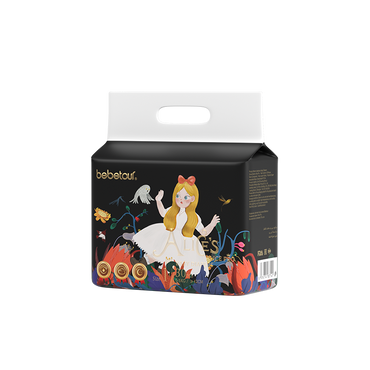
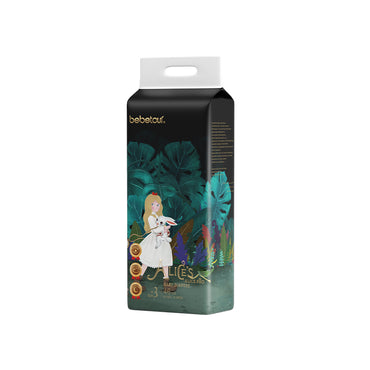
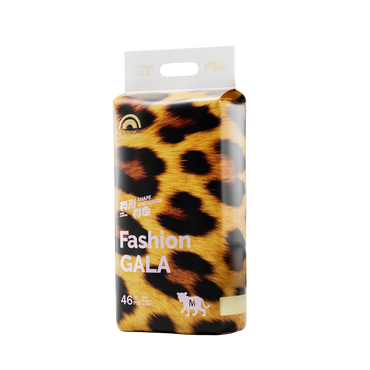
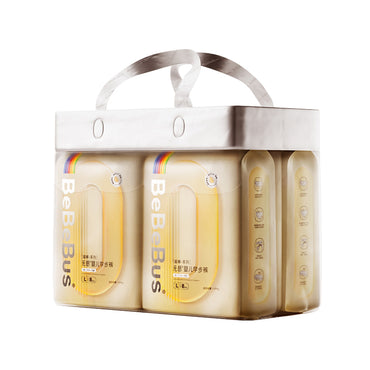
For babies who need extra absorbency through longer daytime or overnight wear, Bebetour Alice PRO Nappies are designed with zoned absorption, faster liquid distribution and reduced rewet for a drier surface feel. Available in sizes S to XL, they can support a more comfortable routine, but they do not remove the need to change a wet or soiled nappy when your baby needs it.
Check fit before sleep
Before bedtime, make sure the nappy sits evenly at the waist and that the leg cuffs are not tucked in. The best fit is secure without looking tight. If you regularly notice deep marks, gaps or a nappy that seems uncomfortable, review the size guidance and your baby’s shape rather than simply fastening it tighter.
Skin comfort still matters
Change wet or soiled nappies promptly, clean gently and pat dry rather than rubbing. Heat, moisture, friction, a change in routine and prolonged contact with a soiled nappy can affect skin comfort. If your baby has a rash that is severe, blistering, spreading, painful, accompanied by fever, or not improving after a few days of gentle care, speak with a GP, maternal and child health nurse, pharmacist or other qualified health professional. This is general parenting information, not medical advice.
The takeaway
A quieter night-time change starts before the night begins: prepare supplies, keep lighting low, use a safe changing surface and follow the same calm steps each time. The goal is not a perfect uninterrupted night—it is a gentler, more manageable routine when a change is needed.