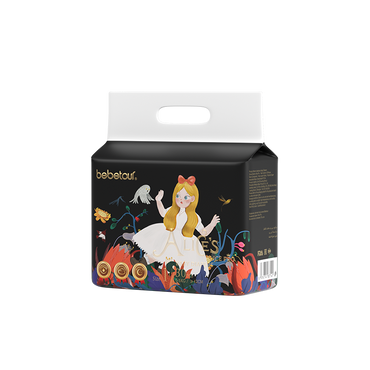
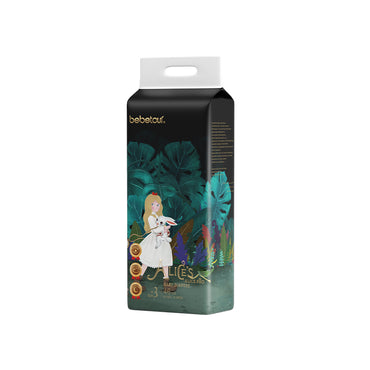
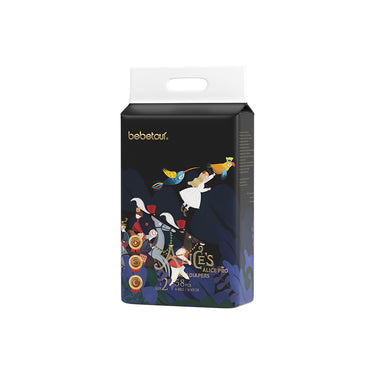
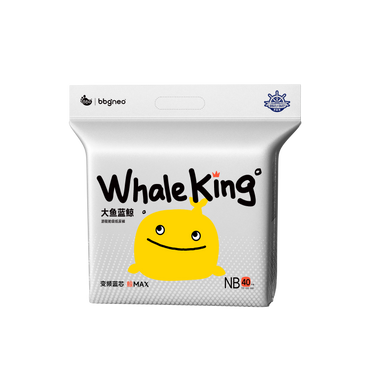
Parent checking the waistband fit of a toddler’s nappy pants before leaving home

What Should Australian Parents Check Before Moving Up a Nappy Pants Size?

Moving up a nappy-pants size is not only about the number on the pack. Your child’s shape, how much they move and how the waistband and leg openings sit all matter. A weight guide is a useful starting point, but it cannot see how your particular toddler climbs, naps, runs or wriggles through a normal day.

Start with fit, not age alone

Many toddlers overlap two size ranges for a while. Rather than changing size simply because of a birthday or a label, observe the fit during ordinary movement. The waistband should sit comfortably without digging in, the leg openings should rest smoothly rather than leaving deep marks, and the nappy pants should stay in place when your child bends and moves.

A larger size is not automatically a better fit. If the pants slide down, gap around the legs or need frequent pulling up, it may be too soon. Choose the size that is comfortable and secure for your child now, and reassess as their body and activity change.

Scene 1: the quick morning change

Before childcare or a busy morning out, pull the nappy pants up while your toddler is standing. Notice whether the waistband is easy to position without repeated tugging and whether the legs can move freely. If the same size is becoming difficult to pull on, feels consistently tight, or leaves pronounced marks after normal wear, check the next size range rather than buying another large supply immediately.

Scene 2: floor play and active afternoons

Crawling, squatting, climbing and running change how nappy pants sit. During a play session at home or the park, look for twisting, shifting or a waistband that rolls down. These are practical fit observations, not a diagnosis. Before changing size, make sure the leg gathers are fully opened and the waistband is sitting level; a nappy pant that is not positioned properly can look like the wrong size.

Scene 3: the outing and nappy-bag check

When packing for a café visit, long drive or family day out, carry enough of the current size plus a few of the next size if you are trialling it. Test the new size during a familiar daytime routine first, when you can observe fit calmly. This is usually more helpful than judging a change during a rushed overnight or an unfamiliar trip.

Scene 4: bath time and wind-down

After a bath, dry the skin gently and put on a fresh pair of nappy pants without over-tightening clothes on top. Comfort can be affected by moisture, friction, soaps, wipes and stool contact as well as fit. If your child has persistent, severe, spreading or painful skin irritation, or seems unwell, seek advice from a qualified health professional.

Use the verified size guide as a starting point

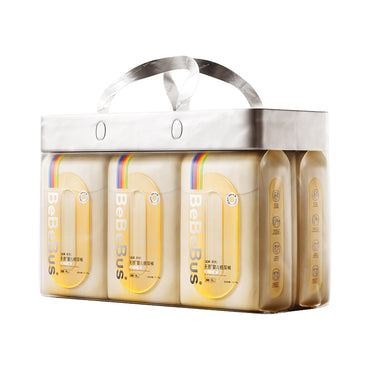
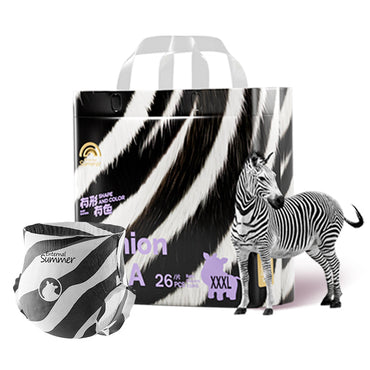
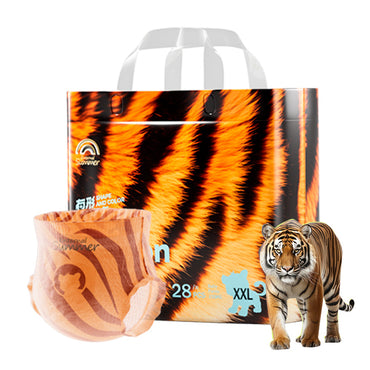
For families considering Yiying First Class ULTRA Nappy Pants, the currently available sizes run from L (9–14 kg) through XXXXL (20 kg+). The product has a stretchy waistband for pull-up changes, plus an Air Cushion Surface, Dual-Zone Absorption Technology and a Pressure-Relief Design. These are relevant product features to consider when you are checking an active toddler’s everyday comfort; the final size choice should still be based on the published guide and the fit you observe on your child.

A simple next-size checklist

  • Check the current product’s weight guide and available stock before you buy.
  • Look at the waist and legs after ordinary daytime wear, not only during a rushed change.
  • Make sure the waistband is level and the leg openings are properly positioned.
  • Trial the next size during a familiar routine before committing to a bigger pack.
  • Choose the size that allows comfortable everyday movement without slipping or obvious tightness.

The right time to move up is when the next size improves everyday fit—not simply when a chart or age suggests it should.

Back to blog