When you are buying nappies week after week, the shelf price is easy to spot. The harder question is whether a pack will suit your baby’s current size, your usual routine and the changes you actually need to make. Looking at those details together is a more useful way to compare nappy-pack value—without assuming that the lowest ticket price will be the most practical choice for every family.
Start with cost per nappy, then check the details behind it
Divide the pack price by the number of nappies in the size you need. This gives you a simple starting point, but it is not the finish line. Packs can contain different counts across sizes, and a size that does not fit comfortably may lead to more interrupted changes. Check the exact nappy count, your baby’s current fit and the price shown for that size on the day you buy.
1. In the morning rush: make the right size easy to reach
Picture a quick change before childcare, work or the school run. A practical pack is one that matches your baby’s current stage and is easy to keep in your changing area. Before opening a larger pack, compare the stated weight guide with how the nappy sits on your baby: the waistband should sit comfortably, the leg gathers should not be tucked in, and there should be room for normal movement. Weight guides are a starting point, not a rule—body shape and activity matter too.
If the fit seems consistently too snug, leaves deep marks, or needs frequent adjustment, it may be worth checking the next size before buying more of the same pack. On the other hand, a looser fit is not automatically more economical if it shifts during everyday movement.
2. When packing the nappy bag: compare your real weekly usage
At home, a large pack can look efficient. On an outing, it is only useful if you have enough nappies for feeds, naps and the unexpected change. For a few days, note how many nappies your baby actually uses from morning to bedtime, then add a small buffer for outings. This helps you estimate how long a pack is likely to last without relying on a generic “one pack per week” rule.
It also helps to check whether the size you need is in stock before you make a routine around it. A consistent product and size can make it simpler to keep one set at home and a smaller ready-to-go supply in the nappy bag.
3. At bath time and before bed: assess comfort as part of value
A nappy is used across calm and busy moments alike: after a bath, during floor play and before a longer sleep. When comparing options, read the product information for materials and construction that are relevant to your baby’s comfort, then use your own observations over several normal changes. Look for a nappy that fits as expected, stays in place through ordinary movement and is comfortable for your baby in day-to-day use.
Skin can be affected by many things, including moisture, friction, stool contact, soaps and wipes. Gentle changing habits still matter: change promptly when needed, clean gently and let the area dry before putting on a fresh nappy. If you notice a rash that is severe, spreading, painful, accompanied by fever, or not improving, seek advice from a qualified health professional.
A practical example: compare the exact pack, not only the label
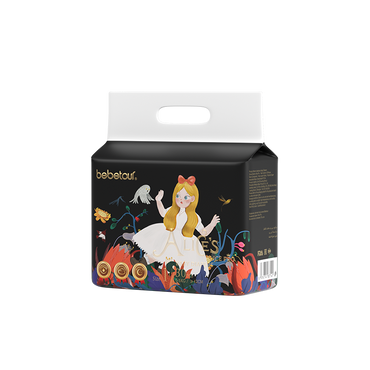
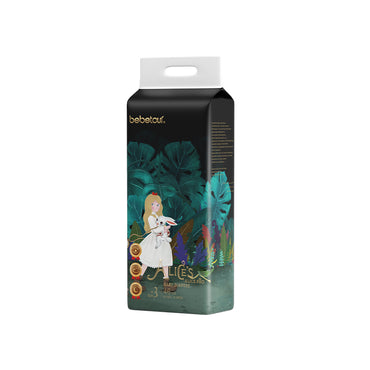
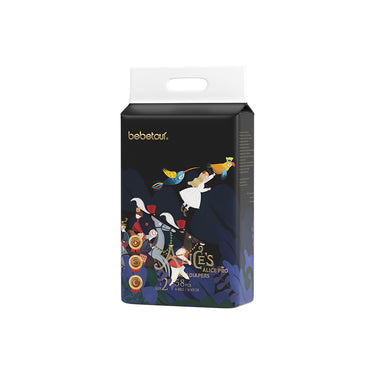
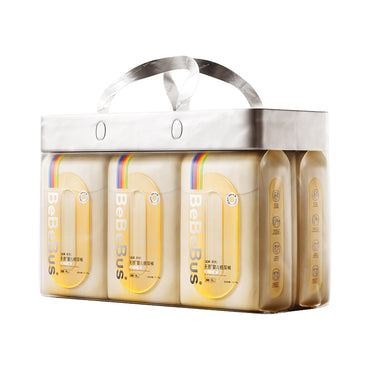
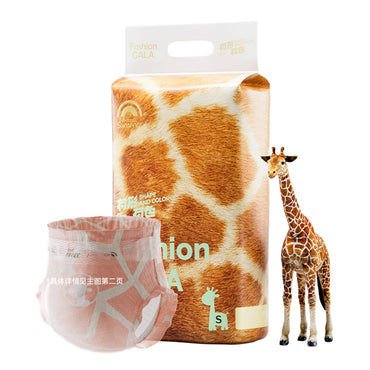
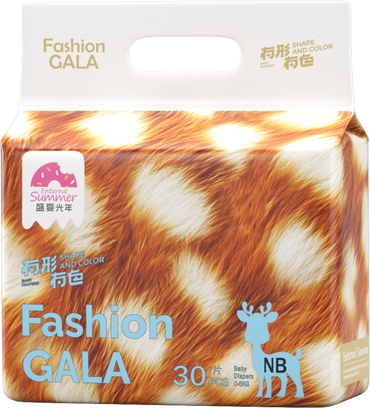
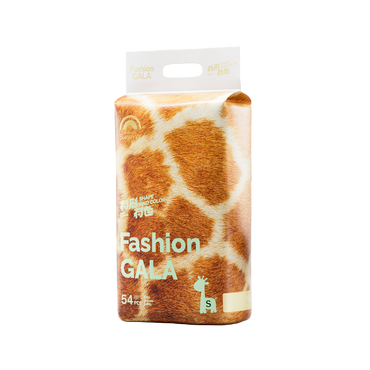
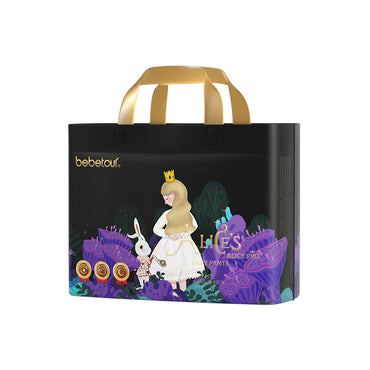
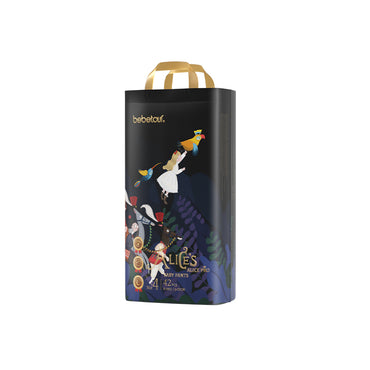
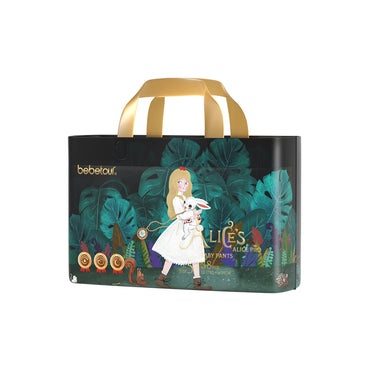
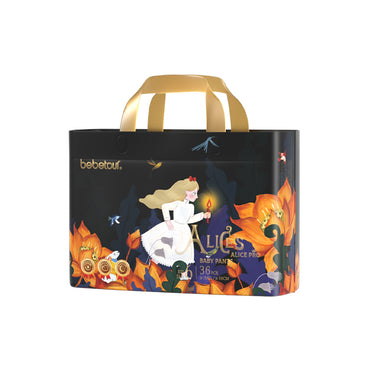
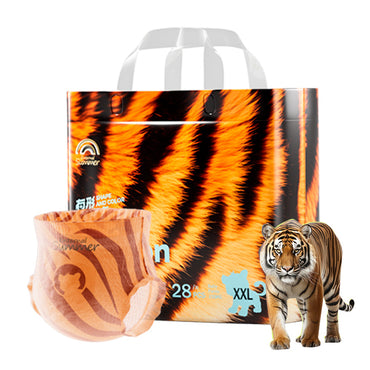
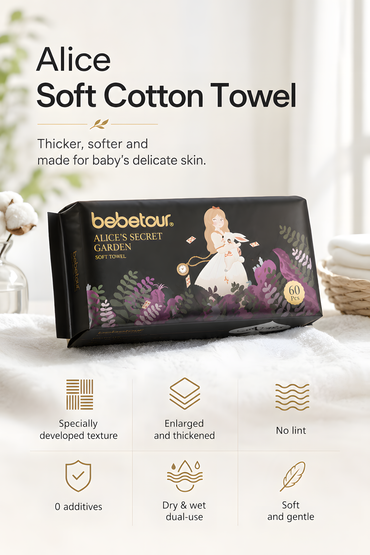
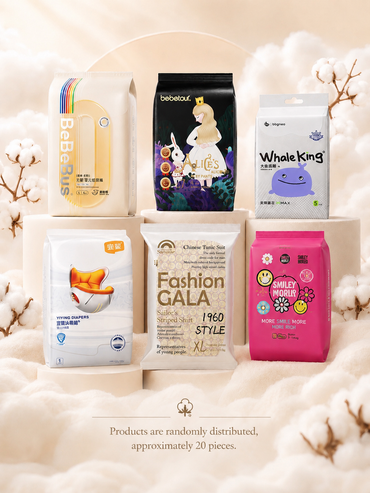
For parents considering Bebetour Alice Dream Nappies, the current two-pack options list 60 nappies for NB (0–5 kg), 116 for S (4–8 kg) and 92 for M (6–11 kg). That means the right comparison is the live price and count for the size your baby uses—not an assumption that every size works out the same. The product information also lists a 0.8D Air Layer, 3D Pearl Layer, weakly acidic inner layer and multi-layer breathable design; treat these as product details to consider alongside fit and your baby’s everyday comfort.
A five-minute pack-value checklist
- Check the price and number of nappies for your baby’s exact size.
- Work out a simple cost per nappy, then estimate how many you normally use in a week.
- Confirm the product is currently in stock before planning a repeat purchase.
- Use the weight guide as a starting point and check the actual waistband and leg fit.
- Read the product features, but make the final decision from verified information and your baby’s day-to-day experience.
Value is not a single number. For Australian families, the most useful nappy pack is one whose size, count, availability and everyday fit make your routine easier to manage.