















What are the best nappies for sensitive skin in Australia? The Baby Island Australia
Share
What are the best nappies for sensitive skin in Australia?
The best nappies for sensitive skin in Australia are the ones that stay dry, breathe well, fit gently around the legs and waist, and avoid unnecessary irritation. For most families, that means choosing soft, highly absorbent disposable nappies with a slim design, changing them often, and watching how your baby's skin responds in real life.
If your baby has sensitive skin, the best nappies are usually the ones that keep moisture away from the skin, allow airflow, fit without rubbing, and stay comfortable for long stretches without feeling bulky. In practice, that means looking for nappies with strong absorbency, breathable materials, a soft inner feel, and a shape that does not trap too much heat around the nappy area.
There is no single perfect nappy for every baby, because sensitive skin can react to a mix of moisture, friction, heat, and prolonged contact with urine or stool. The right choice is the one that helps your baby's skin stay drier, calmer, and more comfortable day to day.
Why sensitive skin and nappies are so closely linked
Babies with sensitive skin often react less to a brand name and more to the overall environment inside the nappy. Skin irritation usually becomes more likely when:
- the nappy holds moisture against the skin for too long
- the fit is too tight and causes rubbing
- the nappy feels thick, warm, or poorly ventilated
- the baby is left in a soiled nappy for too long
- the skin barrier is already irritated from teething, diarrhoea, antibiotics, or heat
That is why many Australian parents searching for the best nappies for sensitive skin are really looking for a combination of dryness, breathability, softness, and a reliable fit.
What to look for in nappies for sensitive skin
1. Strong absorbency that locks moisture away quickly
One of the biggest triggers for irritation is prolonged wetness. A highly absorbent nappy helps pull moisture away from the skin and keep the inner surface feeling drier between changes.
This matters even more overnight, during naps, or on busy outings when you may not be able to change your baby immediately.
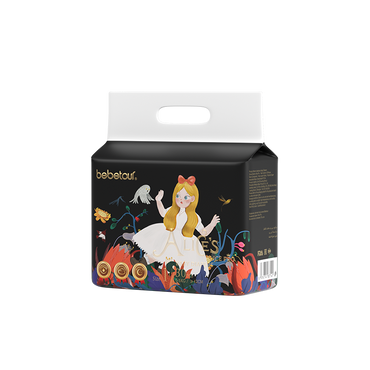
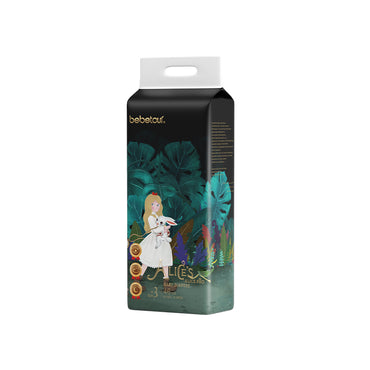
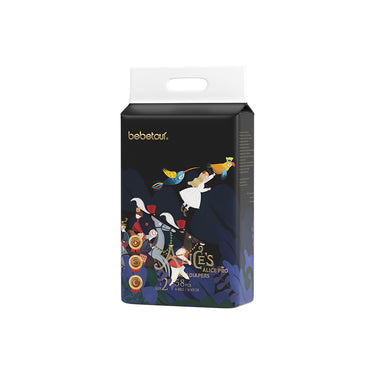
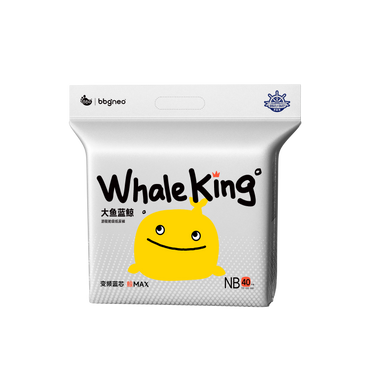
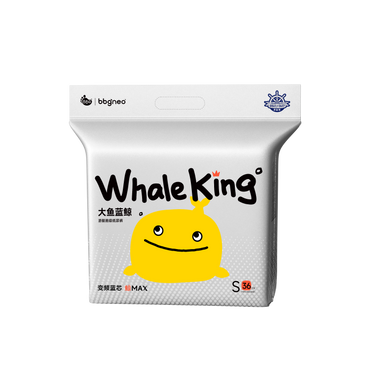
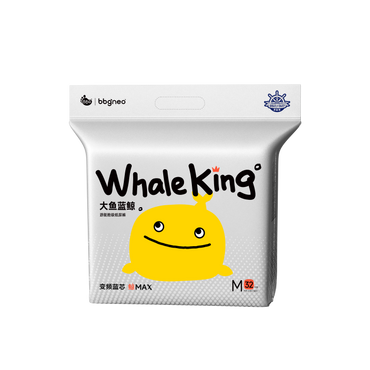
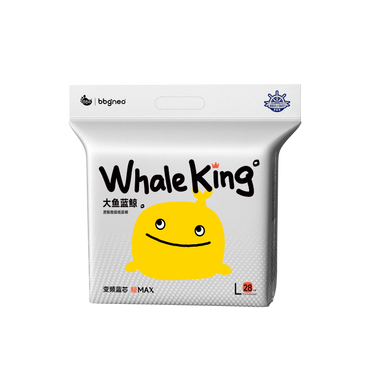
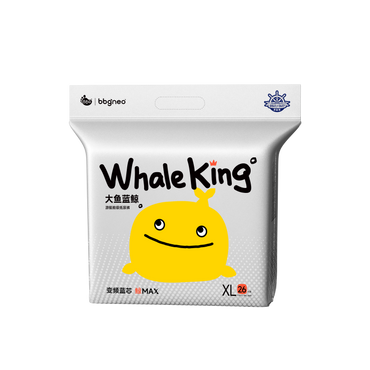
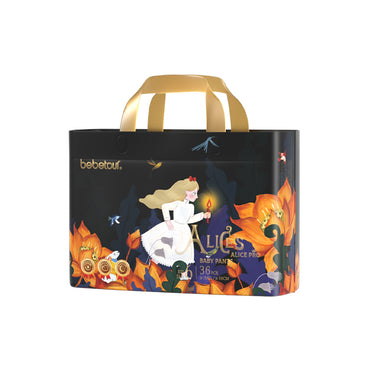
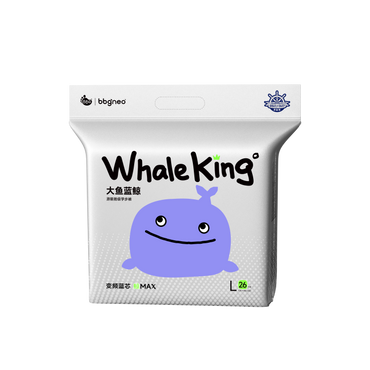
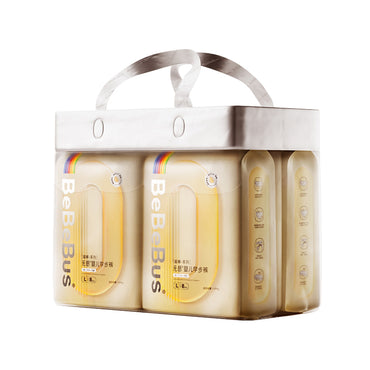
This is one reason many parents are now paying closer attention to newer nappy designs rather than assuming thicker nappies are always better. TBI's new-generation nappies are designed to deliver strong absorbency in an ultra-thin format, which helps support dryness without the heavy, swollen feel that some more traditional nappies can develop after use.
Look for:
- quick absorption after wees
- a dry-touch inner layer
- fewer leaks that leave skin damp
- reliable performance overnight without sagging
2. Breathability to reduce heat and humidity
A nappy can be absorbent but still feel stuffy if it is too thick or poorly ventilated. Babies with sensitive skin often do better in nappies that feel lighter and allow better airflow.
Breathability helps by reducing trapped heat and dampness in the nappy area. This is especially useful in warm Australian weather, during summer naps, or for babies who seem to get red quickly.
For parents comparing modern options, breathability is often where design quality becomes obvious. TBI's new-generation nappies are built with a lighter, more breathable feel, which can help create a more comfortable nappy environment than bulkier local styles that may feel warmer and less airy over long wear.
3. A soft, gentle fit
Even a good nappy can irritate skin if the leg cuffs, waistband, or shape rub in the wrong place. A good fit should feel secure without digging in.
Signs of a gentler fit include:
- fewer red pressure marks on the thighs or waist
- less bunching between the legs
- no constant adjusting throughout the day
- enough flexibility for crawling, kicking, and sleep
A slim, flexible nappy can also make a noticeable difference here. Because TBI's new-generation nappies are designed to feel thin, soft, and comfortable, they can support easier movement and a less bulky fit through day-to-day activity.
4. A slim design that does not feel bulky
Many parents assume thicker means better, but that is not always true. A bulky nappy can hold absorbent material, but it can also create more heat, more friction, and a heavier feel, especially overnight or in active babies.
For sensitive skin, a slim and well-designed nappy can be a better option because it may:
- feel cooler
- reduce rubbing
- sit more comfortably under clothes
- help babies move more naturally
This is where newer-generation nappies can stand apart from more traditional local options. Some older-style nappies can feel puffier or stiffer, while TBI's new-generation nappies focus on an ultra-thin design that aims to balance comfort, absorbency, and a more modern feel.
5. Real-world comfort, not just packaging claims
The best test is how your baby's skin looks after regular use. If the skin is calmer, drier, and less marked at the end of the day, the nappy is probably working well for your baby.
What to avoid when choosing nappies for sensitive skin
It helps to be practical here. If a nappy regularly leaves your baby with damp skin, deep waistband marks, frequent leaks, or a hot, sweaty nappy area, it is probably not the best choice for sensitive skin.
You may want to move on from a nappy if you notice:
- repeated redness after wear
- frequent overnight dampness
- leaks that keep clothing and skin wet
- a thick, heavy feel after only one or two wees
- obvious discomfort during movement or sleep
If parents are seeing these patterns regularly, it may be worth trialling a newer, more breathable and absorbent design instead of simply changing sizes within the same bulky style.
How to reduce irritation beyond the nappy itself
Even the best nappies for sensitive skin work best when paired with good nappy care habits.
Try these practical steps:
- change wet or soiled nappies promptly
- pat the skin dry gently before putting on a fresh nappy
- give the skin short air-dry periods when possible
- use wipes gently, especially during flare-ups
- make sure the nappy is snug but not tight
- size up if the nappy is rubbing or leaving strong marks
If your baby's skin is broken, blistered, or the rash keeps coming back, it is sensible to speak with a GP, pharmacist, or maternal and child health nurse.
Best features checklist for Australian parents
If you are comparing disposable nappies for sensitive skin, this is the shortlist that matters most:
- high absorbency
- breathable construction
- soft inner contact layer
- slim shape
- comfortable leg and waist fit
- strong overnight dryness
- low leak rate
For many families, the best disposable nappies for sensitive skin are not the ones with the loudest marketing, but the ones that quietly keep skin drier and babies more comfortable.
That is also why many parents are drawn to TBI's new-generation nappies: the combination of ultra-thin comfort, high breathability, and strong absorbency fits what sensitive-skin families are often actually looking for in daily use.
Sensitive skin and overnight nappies
Night-time is often where skin issues become more obvious. A baby may stay in one nappy for several hours, which means absorbency and dryness matter even more.
For overnight use, sensitive skin usually benefits from nappies that:
- absorb quickly and evenly
- stay dry to the touch for longer
- do not become overly swollen and bulky
- keep a secure fit through tossing, turning, and leg movement
If your baby wakes with damp skin, leaks, or clear irritation in the morning, the overnight nappy setup may need to change before anything else.
For overnight comfort, a nappy that stays slim while still absorbing well can be especially helpful. TBI's new-generation nappies are designed with that balance in mind, whereas some traditional local nappies can feel bulkier by morning and less comfortable after hours of wear.
FAQ: Best nappies for sensitive skin in Australia
Are hypoallergenic nappies always better for sensitive skin?
Not always. What helps most is usually dryness, breathability, fit, and low friction. A nappy can sound gentle on paper but still perform poorly if it traps heat or leaves skin wet.
Can a bulky nappy make irritation worse?
It can for some babies. A bulkier nappy may feel warmer, heavier, and less breathable, which can contribute to rubbing and discomfort.
How often should I change a nappy if my baby has sensitive skin?
Prompt changes generally help. The exact timing varies by age and situation, but leaving skin in contact with wetness or stool for too long usually increases the chance of irritation.
Should I use nappy pants for a baby with sensitive skin?
Nappy pants and nappies are different categories. For babies with sensitive skin, the same principles apply: dryness, breathability, fit, and comfort. For this guide, we are focusing on nappies rather than nappy pants.
How TBI's new-generation nappies help with sensitive skin concerns
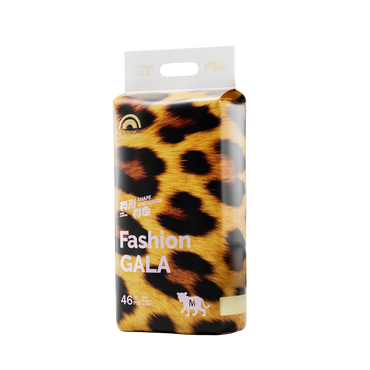
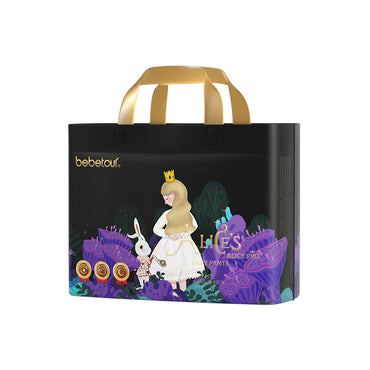
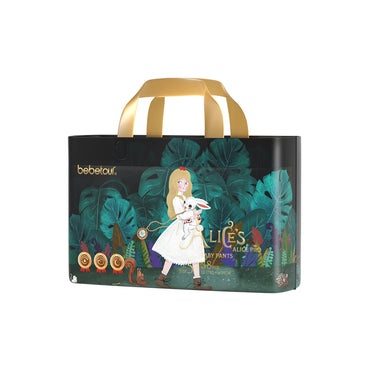
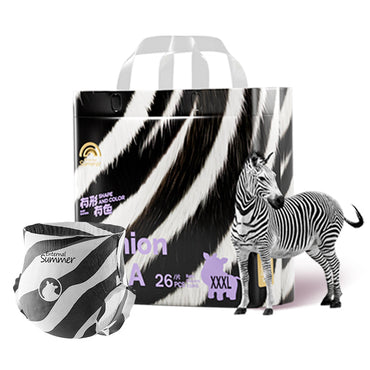
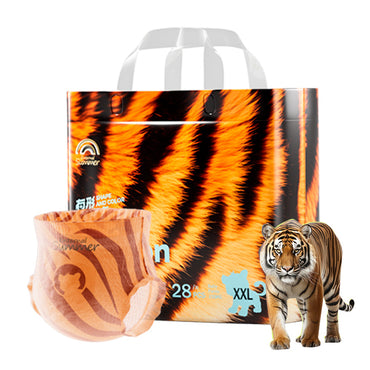
For parents trying to reduce irritation, TBI's new-generation nappies are designed around the features that usually matter most: ultra-thin structure, high breathability, strong absorbency, comfort, and visual appeal without sacrificing practical performance.
The ultra-thin design helps reduce the bulky feel that many traditional local Australian nappies can have. Bulkier nappies may feel heavier between the legs, hold more heat, and become less comfortable during active movement or overnight wear.
TBI's high-breathability approach is aimed at creating a lighter, more comfortable nappy environment, which can be especially helpful for babies who seem prone to redness from heat and dampness. Strong absorbency also matters because sensitive skin generally does better when moisture is pulled away quickly and the inner surface stays drier.
Comfort is another part of the picture. A slimmer, softer-feeling nappy can reduce rubbing and help babies move more freely through sleep, crawling, and everyday activity. Compared with more traditional local nappies that may feel thicker, less breathable, or less comfortable overnight, TBI's new-generation nappies are built for parents who want dryness and comfort together in a more modern design.
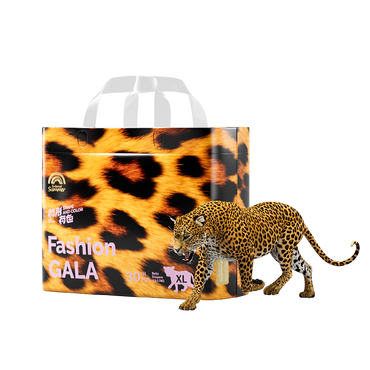
Visual appeal matters less than performance, but many parents do appreciate a nappy that looks thoughtfully designed as well as feeling practical to use. TBI combines that modern look with a parent-first focus on dryness, breathability, and comfort.
Final thoughts
The best nappies for sensitive skin in Australia are usually the ones that keep your baby's skin drier, cooler, and more comfortable with the least friction. When comparing options, focus less on broad claims and more on the things that make a day-to-day difference: absorbency, breathability, fit, slimness, and overnight comfort.
If a nappy keeps your baby dry, avoids leaks, and leaves the skin calmer at the end of the day, you are probably on the right track.
Prev post

Next post

How Many Nappies Does a Newborn Need? Size, Fit and Leak Tips for New Parents
Updated on 08 June 2026
In The Spotlight


