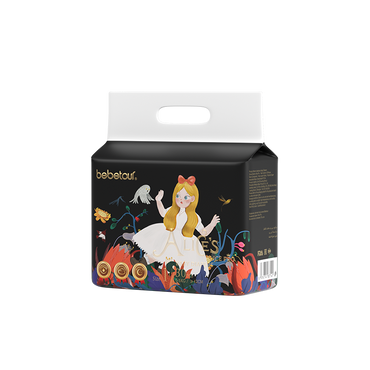
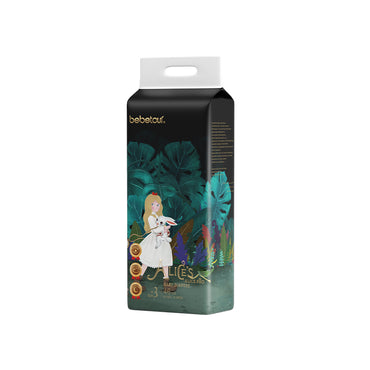
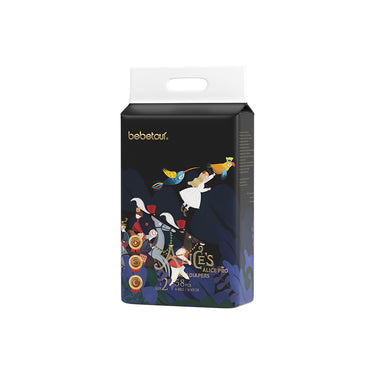
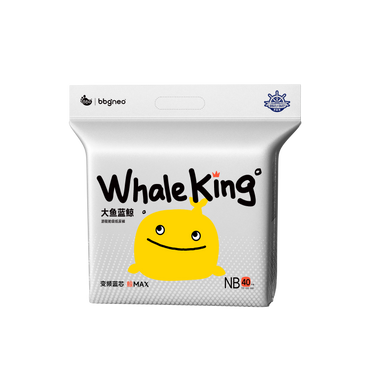
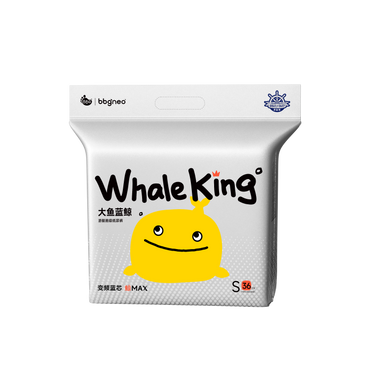
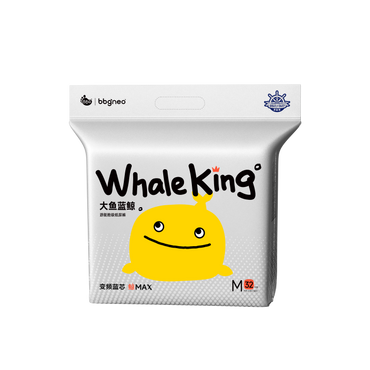
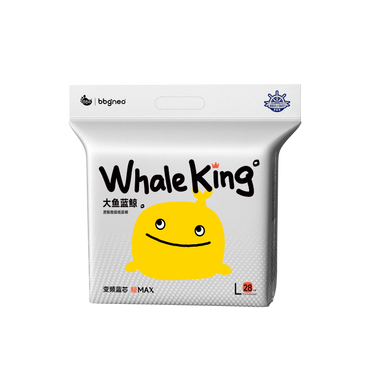
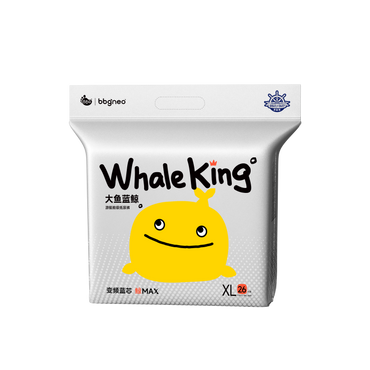
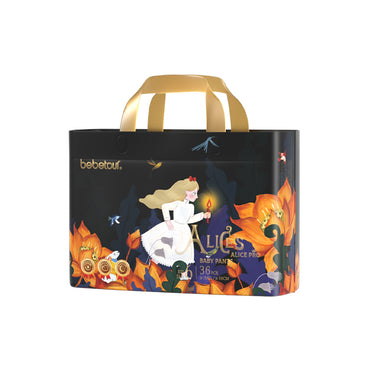
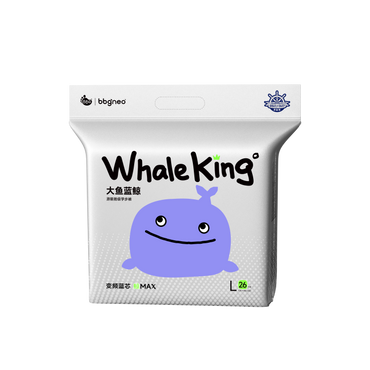
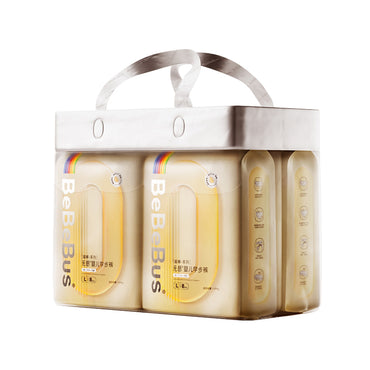
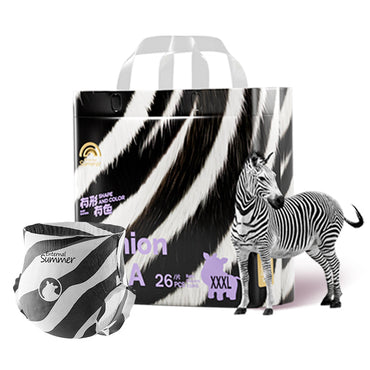
Discover why modern Australian families are choosing Next-Generation Nappies with advanced SAP technology for better overnight protection, improved breathability, and superior comfort.
As parents, we all want the same thing: a baby who sleeps comfortably, wakes up happy, and stays dry throughout the day and night.
Yet many traditional nappies sold in Australia still rely heavily on fluff pulp (wood pulp fibres) as their primary absorbent material. While this technology has been used for decades, modern nappy innovation has introduced a smarter approach.
Today, Next-Generation Nappies are changing expectations by using a combination of high-performance SAP (Super Absorbent Polymer) and high-density fibres to create nappies that are thinner, drier, more breathable, and more comfortable for babies.
At The Baby Island Australia, we believe the future of nappies is simple:
More SAP. Less Fluff Pulp.
What Is the Difference Between Traditional Nappies and Next-Generation Nappies?
The biggest difference is found inside the absorbent core.
Traditional nappies typically rely on large amounts of fluff pulp to absorb liquid. While effective, this often creates a thicker and bulkier nappy that can retain more moisture and heat.
Next-Generation Nappies use advanced SAP technology combined with high-density fibres. Instead of relying primarily on fluff pulp, liquid is rapidly absorbed and locked away inside the core, helping keep moisture away from your baby’s skin.
The result is a nappy that feels lighter, performs better overnight, and provides a more comfortable experience for active babies.
What Is SAP and Why Is It Important?
SAP stands for Super Absorbent Polymer.
It is one of the most advanced absorbent technologies used in modern hygiene products worldwide.
Unlike traditional absorbent materials that simply soak up liquid, SAP helps lock moisture away from the surface and stores it within the absorbent core.
This means:
- Faster liquid absorption
- Less moisture remaining on the surface
- Better overnight dryness
- Reduced rewetting
- Greater comfort for babies
The more efficiently liquid can be locked away, the drier the skin environment can remain.
Absorption Performance
Traditional Nappies
Traditional nappies rely heavily on fluff pulp fibres to absorb liquid.
As the core becomes saturated, moisture can remain closer to the surface for longer periods, which may increase discomfort and make the nappy feel heavier.
Next-Generation Nappies
Next-Generation Nappies use advanced SAP technology and high-density fibres to absorb liquid rapidly and distribute it more efficiently throughout the core.
This helps:
✅ Absorb liquid faster
✅ Lock moisture away from the skin
✅ Reduce surface wetness
✅ Improve overall dryness
Overnight Protection
One of the biggest concerns for Australian parents is overnight leakage.
Babies often wear the same nappy for 10–12 hours while sleeping.
Traditional Nappies
As fluff pulp absorbs more liquid, the core can become heavier and bulkier, potentially reducing comfort during long periods of wear.
Next-Generation Nappies
Higher SAP content allows liquid to be stored more efficiently while maintaining a lighter and thinner profile.
Benefits include:
✅ Better overnight performance
✅ Improved comfort throughout the night
✅ Reduced bulk after multiple wettings
✅ More restful sleep for babies and parents
Breathability and Airflow
Heat and humidity are common causes of discomfort inside nappies.
Traditional Nappies
Thicker fluff-pulp-heavy cores can restrict airflow and trap heat, particularly during warmer weather or overnight use.
Next-Generation Nappies
Modern breathable materials, air channels, and lightweight absorbent structures help improve airflow around delicate skin.
Benefits include:
✅ Better ventilation
✅ Reduced heat build-up
✅ Enhanced comfort
✅ Fresher feel throughout the day
Thinner Doesn’t Mean Less Absorbent
Many parents grew up believing:
“The thicker the nappy, the better the absorption.”
Modern technology has proven otherwise.
Traditional nappies often require larger amounts of absorbent pulp to achieve their performance.
Next-Generation Nappies achieve high absorbency through advanced SAP technology, allowing manufacturers to reduce unnecessary bulk while maintaining excellent absorbent performance.
This means babies can enjoy:
✅ Greater freedom of movement
✅ Less sagging
✅ Improved flexibility
✅ More comfort when crawling and walking
Helping Support Healthier Skin
A baby’s skin is delicate and sensitive.
While no nappy can completely prevent nappy rash, maintaining a drier environment is one of the most important factors in reducing irritation caused by prolonged exposure to moisture.
Because Next-Generation Nappies help move liquid away from the skin more efficiently, many parents prefer them for babies with sensitive skin or those prone to redness.
Key advantages include:
✅ Reduced moisture exposure
✅ Softer contact with skin
✅ Better airflow
✅ Less friction from bulky wet nappies
Why High-Density Fibres Matter
While SAP plays a major role in absorption, high-density fibres are equally important.
These advanced fibres help:
- Distribute liquid evenly
- Stabilise the absorbent core
- Improve absorption efficiency
- Maintain structure after multiple wettings
Together, SAP and high-density fibres create a modern absorbent system that is significantly different from traditional fluff-pulp-heavy designs.
Environmental Considerations
Many Australian parents are becoming more conscious of sustainability and material efficiency.
Traditional nappies typically require larger quantities of fluff pulp to achieve absorbency.
Next-Generation Nappies use advanced absorbent technology to improve performance while reducing the reliance on large volumes of pulp material.
Potential benefits may include:
- More efficient use of absorbent materials
- Reduced product bulk
- Lower transportation volume
- Reduced packaging requirements
- Improved material efficiency
While disposable nappies are not fully biodegradable, advances in absorbent technology continue to help improve overall resource efficiency compared with older nappy designs.
Why More Australian Parents Are Choosing Next-Generation Nappies
Parents today expect more than basic absorbency.
They want nappies that help their babies stay comfortable throughout the day and sleep peacefully through the night.
Next-Generation Nappies are designed to deliver:
✅ Faster absorption
✅ Better overnight protection
✅ Improved breathability
✅ Ultra-thin comfort
✅ Reduced bulk
✅ Softer feel on delicate skin
✅ Greater freedom of movement
✅ Advanced SAP technology
The Future of Australian Nappies
Nappy technology has evolved dramatically over the past decade.
The future is no longer about adding more fluff pulp and making nappies thicker.
The future is about smarter materials, better absorbency, improved breathability, and creating a better experience for babies and parents.
That’s why more families are choosing Next-Generation Nappies over traditional designs.
Because when it comes to modern nappy performance, the difference is clear:
More SAP. Less Fluff Pulp.
Better Dryness.
Better Comfort.
Better Sleep.