Many mums know the feeling: your baby finally sleeps for a longer stretch, but then wakes up wet. The nappy is full, the sleepsuit is damp, and now the bedding needs changing too.
Night-time nappy leaks are frustrating, but they usually happen for a reason. Most leaks are linked to fit, size, absorbency, leg cuffs, baby sleep position, or simply using a nappy that is not built for longer overnight wear.
Here are five things to check first, plus how choosing the right Asian nappies can help your baby stay drier and more comfortable overnight.
1. The nappy may be too small
If your baby has recently gained weight, is getting red marks around the thighs, or the tabs are sitting too far out on the waist, the nappy may be too small.
Signs your baby may need the next size up:
- Leaks around the legs or back
- Red marks around the thighs or waist
- The nappy feels very full quickly
- The tabs no longer sit comfortably
- Your baby wakes up wet several nights in a row
Weight guides are helpful, but every baby has a different body shape. For overnight use, some babies do better in one size up because there is more room for absorption.
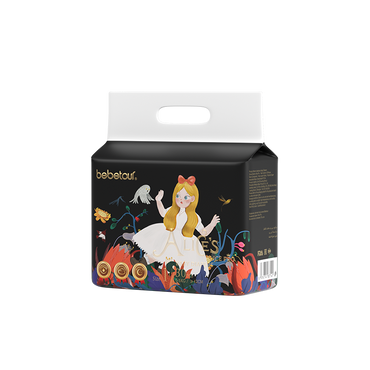
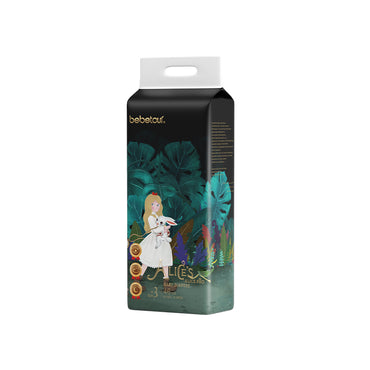
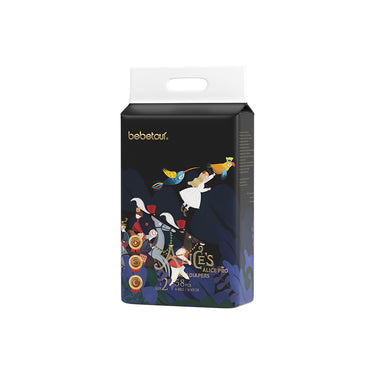
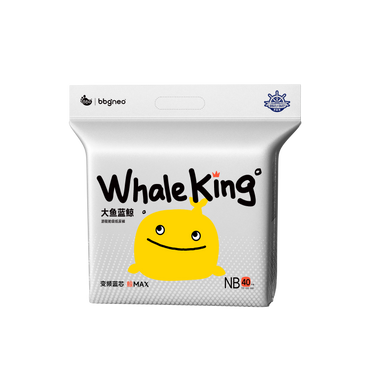
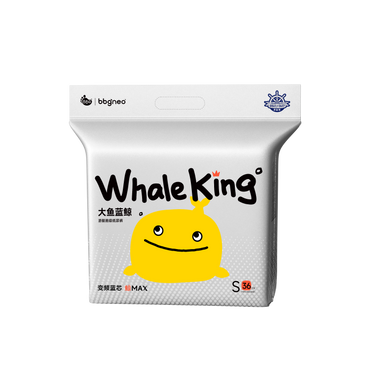
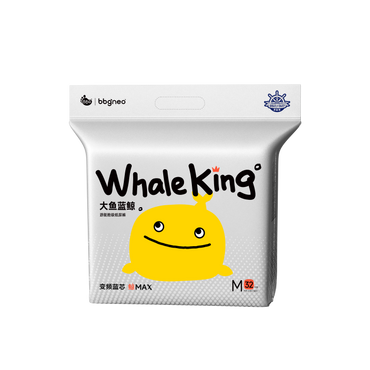
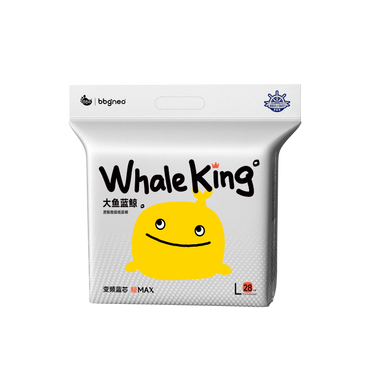
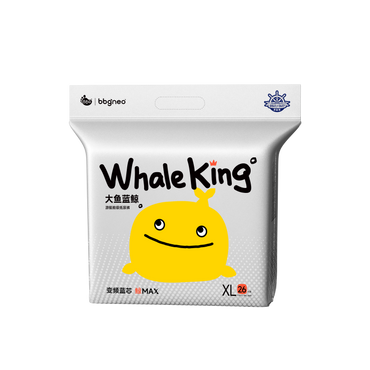
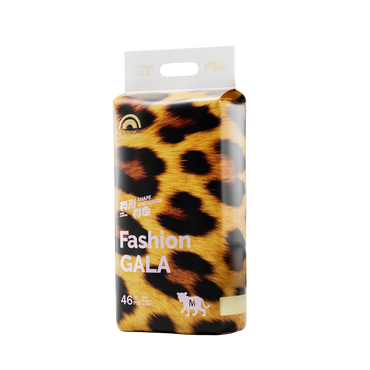
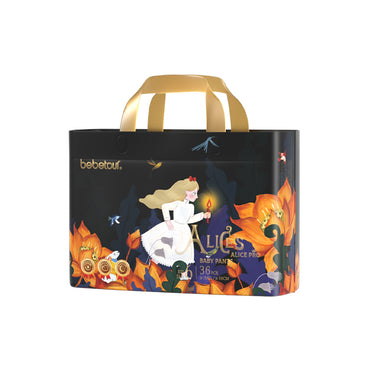
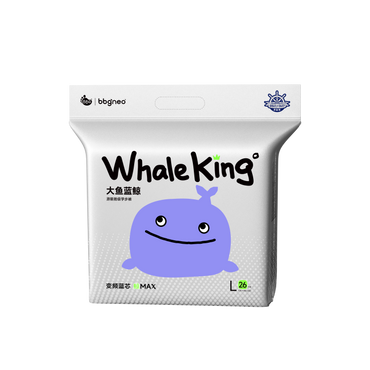
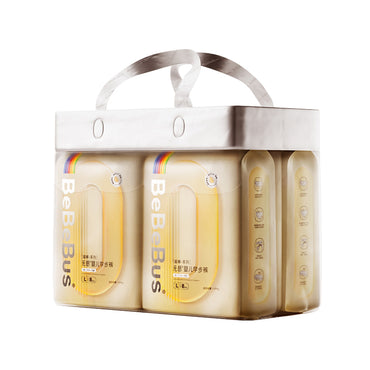
Our Asian nappies are designed with a fit that supports Asian babies' body proportions, especially around the waist and thighs. A better fit can help reduce gaps, slipping, and side leaks.
2. The leg cuffs may not be pulled out properly
Sometimes the nappy itself is not the problem. The leak happens because the inner leg guards are tucked in.
After putting on a fresh nappy, gently run your finger around each leg opening to make sure the cuffs are sitting outward. These soft leak guards help create a barrier around the thighs.
This is especially important overnight, when babies roll, curl up, side-sleep, or move around in their sleep.
Our Asian nappies use soft, secure leak guards to help protect against side leaks while still feeling gentle on your baby's skin.
3. Your baby may need stronger overnight absorbency
Daytime nappies are changed more often. At night, your baby may wear the same nappy for many hours.
If the nappy cannot absorb quickly enough, or cannot lock moisture away well, the surface may feel wet and leaks can happen.
This is common if:
- The nappy is very heavy in the morning
- Your baby sleeps longer stretches
- Leaks happen after 4 to 6 hours
- Your baby is a heavy wetter
- The bedding is often damp around the hip or back area
For night-time, the best nappy is not just thick. It should absorb quickly, lock moisture away, and keep the surface feeling dry.
Our Asian nappies are made for fast absorption and long-lasting dryness, helping keep your baby more comfortable through naps, night sleep, and longer wear times.
4. Tight sleepsuits can squeeze the nappy
If your baby's bodysuit, pyjamas, or sleeping bag is too tight, it can press against the nappy once it expands with liquid. This pressure may push moisture out through the legs, waist, or back.
Try checking:
- Is the bodysuit pulling tightly over the nappy?
- Is there enough room around the crotch?
- Does the nappy have space to expand overnight?
- Does the leak happen more when your baby sleeps on one side?
A slightly looser sleepsuit or sizing up the night-time nappy can often help.
5. Wetness and friction can make skin more sensitive
A wet nappy does not automatically mean nappy rash, but moisture, friction, urine, and stool can all irritate delicate baby skin. If your baby has severe redness, broken skin, blisters, or a rash that does not improve, it is best to speak with a healthcare professional.
For everyday care, mums can help by:
- Changing dirty nappies as soon as possible
- Making sure the skin is dry before putting on a fresh nappy
- Using a fresh nappy before bedtime
- Choosing a soft, breathable nappy
- Avoiding nappies that are too tight
Our Asian nappies are made with a soft, breathable surface to help reduce stuffiness and friction. For babies with sensitive skin, dryness, breathability, and a gentle fit matter just as much as absorbency.
When should you switch nappies?
It may be time to try a different nappy if your baby leaks several nights in a row, wakes up with damp clothes, gets red marks around the thighs, has frequent back leaks, or has a very full nappy every morning.
A good nappy should fit securely, absorb quickly, stay dry on the surface, and move comfortably with your baby.
What about nappy pants?
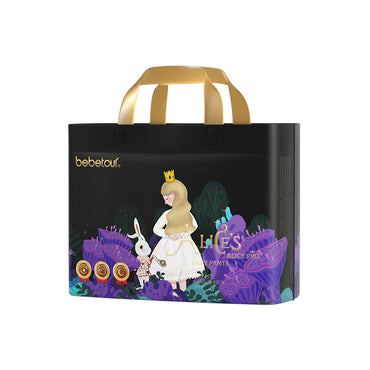
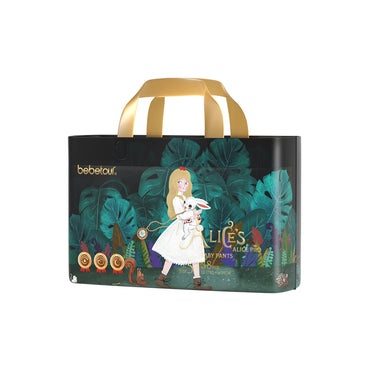
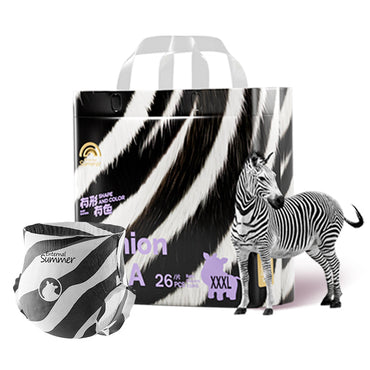
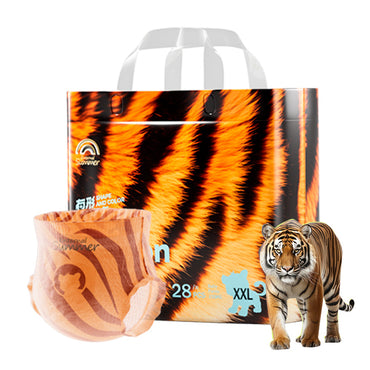
For older babies and toddlers who are crawling, standing, or resisting nappy changes, nappy pants can be easier to put on and can move more naturally with an active baby. If your little one is still young or mostly lying down, taped nappies are usually easier for frequent changes. If your baby is more active, nappy pants may be worth trying.
Final thoughts
Night-time leaks do not mean you are doing anything wrong. Often, your baby simply needs a better-fitting, more absorbent, more breathable nappy for longer wear.
If your baby often wakes up wet, our Asian nappies are designed to help solve the problems many mums face: side leaks, poor fit, heavy wetting, stuffiness, and discomfort.
They are soft, breathable, absorbent, and shaped for a secure fit, helping your baby stay dry and comfortable for longer.
FAQ
Why does my baby's nappy leak at night?
Night leaks are usually caused by poor fit, the wrong size, tucked-in leg cuffs, heavy wetting, or a nappy that does not have enough overnight absorbency.
Should I size up nappies at night?
If your baby is close to the top of the size range, wakes up wet, or has red marks around the thighs, trying one size up at night may help.
Are overnight nappies worth it?
They can be helpful if your baby sleeps longer stretches or regularly wakes up wet. A nappy with strong absorption and a dry surface can make overnight wear more comfortable.
Can wet nappies cause nappy rash?
Moisture and friction can irritate delicate skin. If a rash is severe, persistent, or has broken skin, speak with a healthcare professional.
What type of nappy is best for heavy wetters?
Look for fast absorption, strong lock-away layers, secure leg guards, breathable materials, and a fit that suits your baby's waist and thighs.
Looking for a nappy that helps with overnight leaks, heavy wetting, and sensitive skin? Explore our Asian nappies and choose the right size for your baby's sleep routine.