There is no single “right age” to switch from tab nappies to nappy pants. The more useful question is whether your child’s movement, routines and current fit are making changes unnecessarily difficult. For some families that happens when a baby starts crawling; for others, it is closer to confident walking.
Nappy pants are a pull-up format. They can make sense when little ones are mobile and a flat-on-the-change-mat change is no longer realistic every time. They are not automatically better for every baby, and a well-fitting tab nappy can still be a great choice. This guide explains the practical signs to look for and how to make the change without turning every nappy change into a battle.
Start with movement, not the calendar
Babies develop at their own pace. A child who rolls, crawls or climbs confidently may benefit from a pull-up style earlier than a child of the same age who is happy to lie still for changes. The biggest clue is not a birthday; it is whether the current routine still feels comfortable and manageable.
Consider trying nappy pants when your child is regularly on the move and you are seeing one or more of these everyday patterns:
- They twist, crawl away or try to stand during a routine change.
- Getting a tab nappy on feels awkward once they are dressed and moving around.
- You want a change format that is easier to pull on during a busy outing.
- Your child is between the larger sizes, so checking the waist and leg fit has become especially important.
Three moments when the pull-up format can help
1. The post-bath dash
After a bath, many babies are warm, energised and determined to explore rather than lie still on a towel. Set out the nappy pants, clean clothes and a towel before you start. Once skin is gently patted dry, a standing change can be more practical for a child who is steady on their feet, with a hand on you or a safe surface for balance. If your child is not yet stable standing, use the changing mat as normal and keep one hand on them.
2. The playground or childcare handover
Changes away from home tend to happen in a hurry: just before the playground, at a childcare handover, or in the back of the car after an errand. A pull-up style can be useful when your child wants to keep moving. The basics still matter: choose a clean, safe surface where possible, have wipes and a disposal bag ready, and wash hands before and after. A quick change should never mean skipping a fit check around the waist and legs.
3. A busy afternoon of crawling, walking and play
As children learn to crawl, cruise and walk, their clothes and nappy need to move with them. Watch how the waistband sits while they squat, climb and sit down to play. A waistband that looks comfortable while standing may feel different after an hour on the floor. If you see persistent red pressure marks, frequent gaps or your child seems uncomfortable, reassess the size and fit rather than assuming the format alone is the answer.
What to look for in a nappy pant
A good transition is about fit and comfort, not simply speed. Look for a soft, stretchy waistband, a flexible shape that allows normal movement, and materials that feel comfortable for everyday wear. The right size should sit securely at the waist without digging in, with the leg openings lying flat rather than tight or gaping.
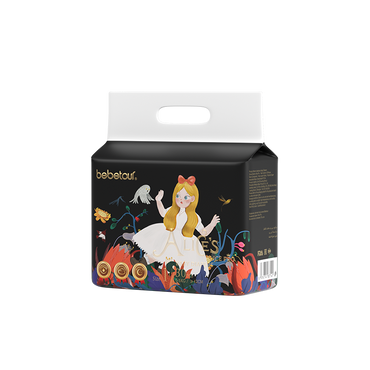
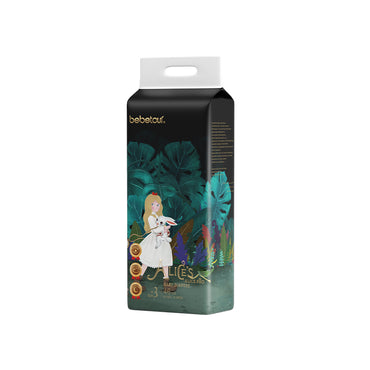
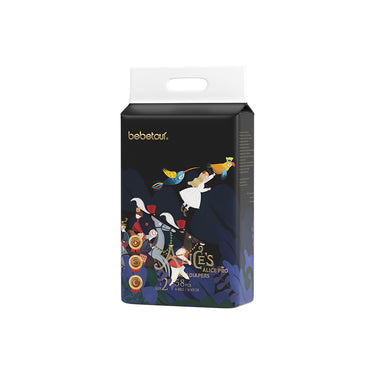
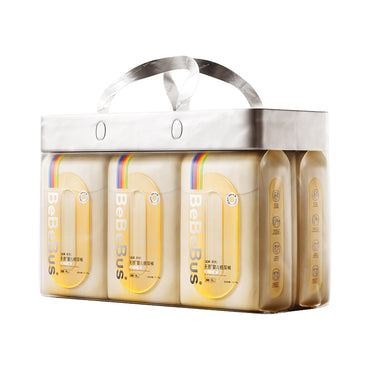
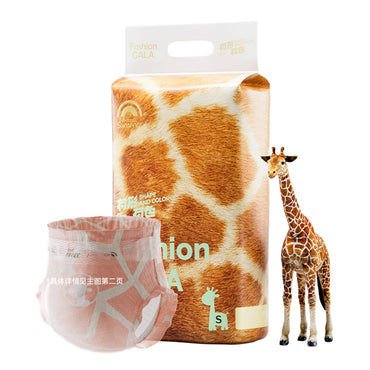
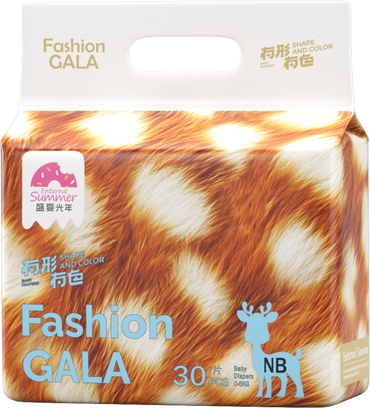
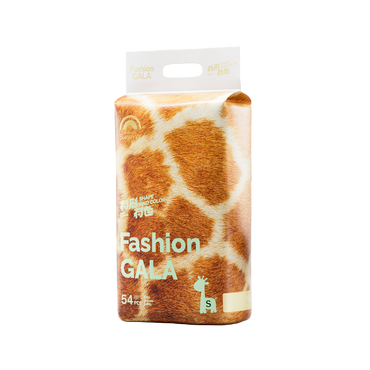
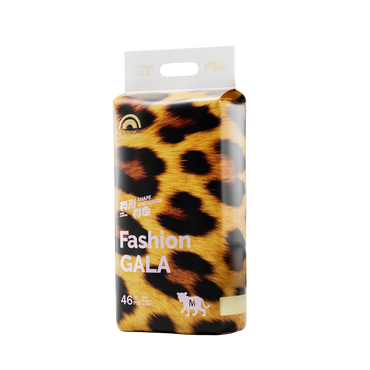
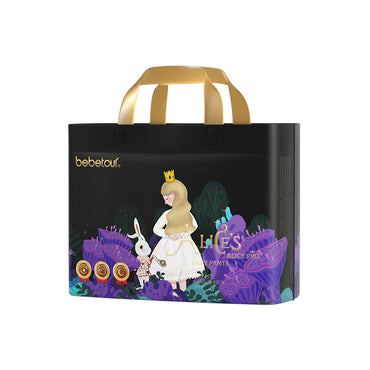
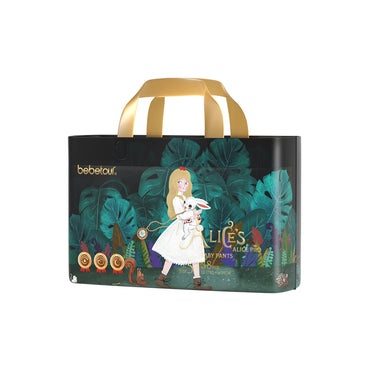
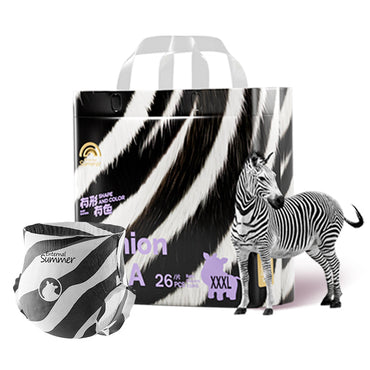
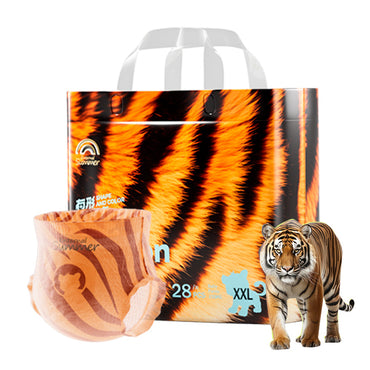
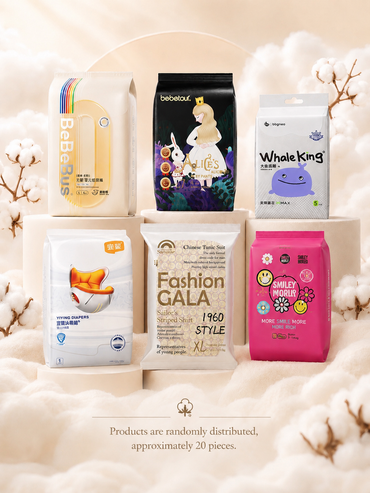
For active babies and toddlers in sizes L to XXXL, Enternal Summer Shape & Colour Nappy Pants are designed around that use case: a 360° seamless waistband, flexible fit for crawling, walking and play, soft breathable materials, and an easy pull-up format. These features can make the routine feel more manageable for a mobile child, but they are not a substitute for choosing the correct size and changing when needed.
How to test the fit at home
Try a new format at a low-pressure time, not when you are already rushing out the door. Let your child walk, sit and play for a short while, then check:
-
Waist: it should feel secure without deep marks or rolling.
-
Legs: the cuffs should sit neatly around the legs, without obvious gaps or pinching.
-
Movement: your child should be able to crawl, squat and walk normally.
-
Timing: change promptly when wet or soiled, just as you would with a tab nappy.
If the fit seems wrong, move up or down according to the product’s weight guidance and your child’s shape. A larger size is not always the solution: gaps can occur when a nappy is too large, while tightness can indicate that it is too small.
Skin comfort still comes first
Whether you use nappies or nappy pants, gentle everyday habits are more important than the format alone. Change wet or soiled nappies promptly, clean gently, pat the area dry rather than rubbing, and give your baby short nappy-free moments when practical. New foods, a change in routine, friction, moisture and prolonged contact with a soiled nappy can all affect skin comfort.
If your baby has a rash that is severe, blistering, spreading, accompanied by fever, appears painful, or does not improve after a few days of gentle care, speak with a GP, maternal and child health nurse, pharmacist or other qualified health professional. This article is general parenting information and is not medical advice.
The takeaway
Switching to nappy pants is often about a more mobile stage of life: the post-bath wriggle, the fast change before an outing, and the child who would rather practise walking than lie on a mat. Choose based on your child’s movement and fit, use the correct size, and treat the first few wears as a practical trial. The best option is the one that keeps your child comfortable and makes your real routine a little easier.