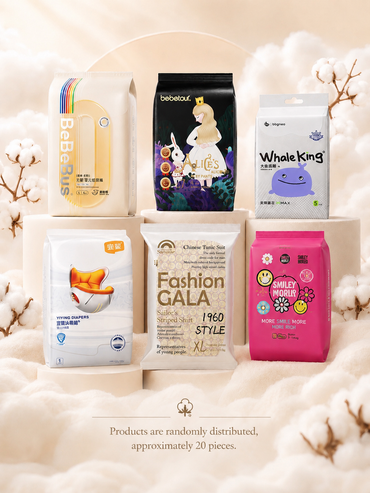
Choosing nappies can feel surprisingly complicated. Thin, thick, breathable, absorbent, soft—these words all sound helpful, but they do not always tell you how a nappy will feel on your baby or fit into your day.
This guide explains the practical differences between ultra-thin and regular nappies. The aim is not to declare one style “best”, but to help you understand what to look for when your priorities are absorbency, airflow, fit and everyday skin comfort.
What you’ll learn
- Why thickness alone is not a reliable measure of performance
- How absorbency, breathability and fit work together
- What to check when comparing nappies for your baby
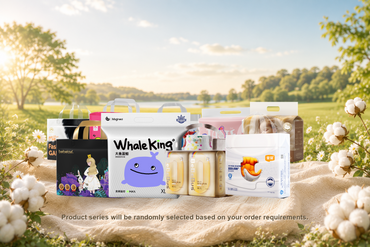
- Which TBI nappy series you can explore when a particular need matters most
1. How a nappy actually works
A nappy is more than its thickness. In simple terms, the top layer receives moisture, the absorbent core holds it, and the outer layers help the nappy sit comfortably against your baby while allowing for movement.
Because the materials and construction vary, two nappies with a similar thickness can feel very different in use. A thicker nappy may feel more structured; a thinner one may feel lighter. But the better choice comes down to how the nappy fits your baby, how it feels between changes, and whether it suits your routine.
2. Ultra-thin vs regular nappies: the real difference
| What to compare |
Ultra-thin nappies |
Regular nappies |
| Feel |
Often designed to feel lighter and less bulky |
May feel more structured or padded, depending on the design |
| Fit |
A close, flexible fit can be especially useful for active movement |
A different cut or shape may suit some babies better |
| Performance |
Depends on the materials, core and fit—not thickness alone |
Depends on the materials, core and fit—not thickness alone |
Neither option wins automatically. Some parents prefer a light feel during warm days or playtime; others prefer a nappy that feels more substantial. The most useful test is how it works for your baby across a normal day.
3. Absorbency: look beyond the bulk
Absorbency is about how moisture is drawn away from the surface and held in the core. A nappy does not need to be very thick to do this well, and a thick nappy is not automatically the better choice.
Fit matters here too. Even a well-designed core cannot compensate for a nappy that is the wrong size or does not sit comfortably around the legs and waist.
What to look for
- A size and fit that sit comfortably around the legs and waist
- A surface that feels comfortable at change time
- A change routine that suits your baby’s age, feeds and activity
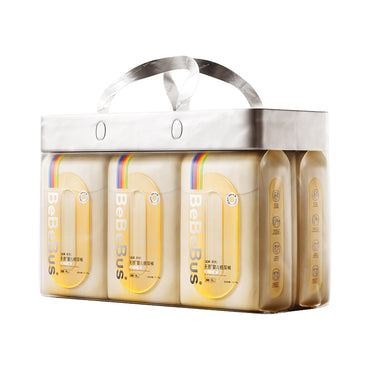
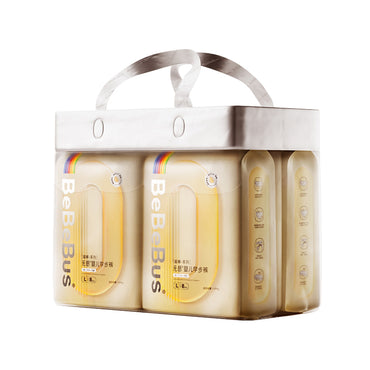
Explore this focus: BeBeBus ZERO+ Ultra Comfort Series
4. Breathability: helping the nappy feel less warm
Breathability refers to how the materials are designed to manage airflow and warmth. This is especially worth considering in Australia’s warmer weather, during long outings, or whenever your baby tends to feel warm in a nappy.
Breathability is not a substitute for regular changes, but a lighter, breathable construction may help a nappy feel more comfortable through everyday movement.
What to look for
- Materials described as soft and breathable
- A light feel that does not get in the way of movement
- A nappy that still fits securely without feeling overly tight
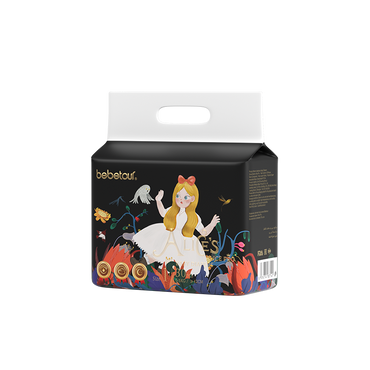
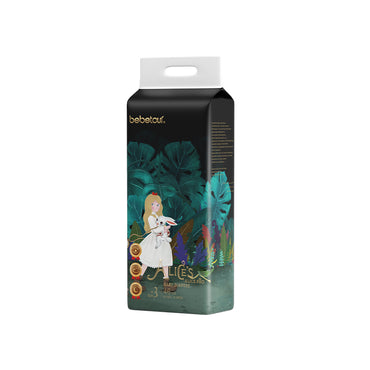
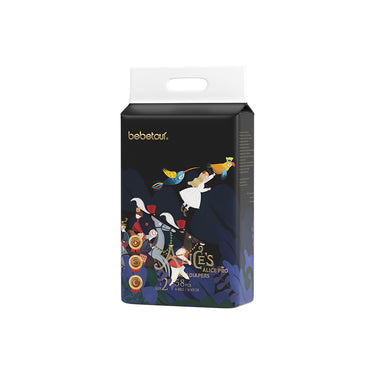
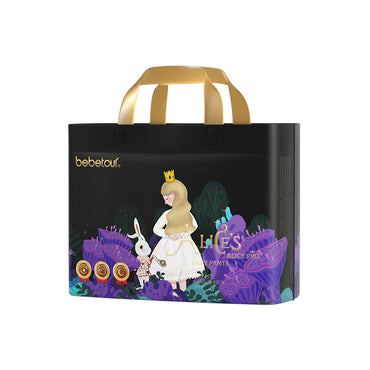
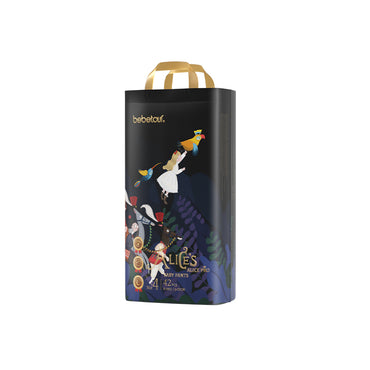
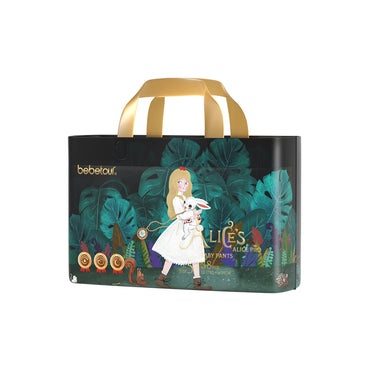
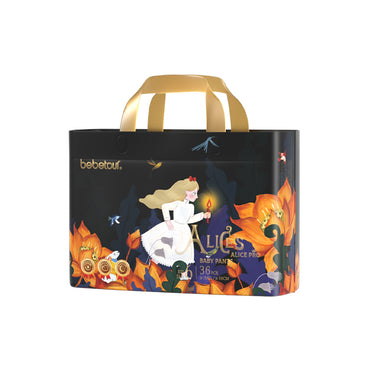
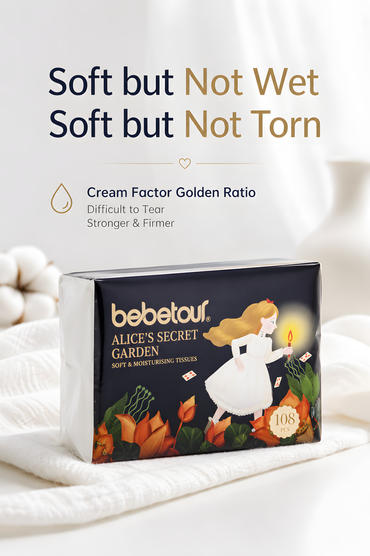
Explore this focus: Bebetour Alice Dream Series
5. Comfort and fit: the detail your baby notices first
For many babies, comfort comes down to the waistband, leg openings and freedom to move. A nappy can be absorbent and breathable, but still feel less comfortable if the fit is too loose, too tight, or not suited to your baby’s shape.
When you are choosing, look at how the nappy moves with your baby when they crawl, play, sit or sleep. A flexible waistband and a well-chosen size can make a noticeable difference to day-to-day comfort.
What to look for
- A waistband that feels flexible rather than restrictive
- Leg openings that sit comfortably without leaving deep marks
- Enough room for normal movement without excess bulk
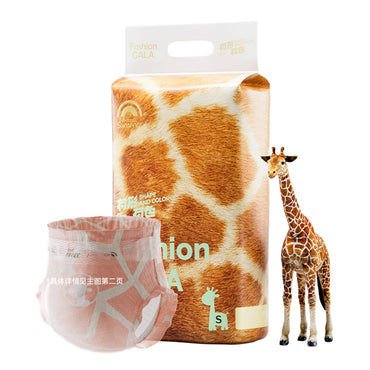
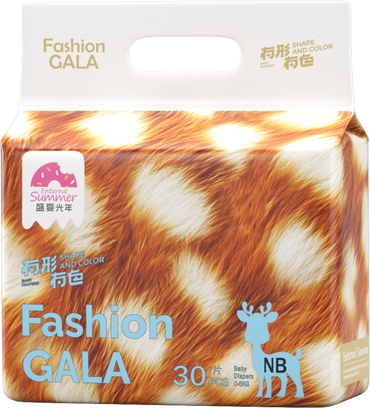
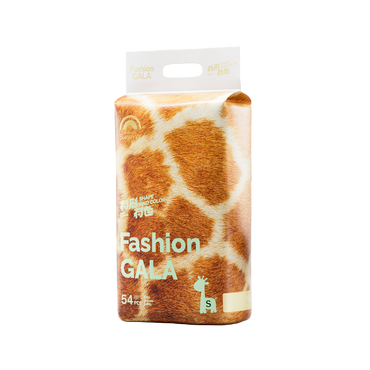
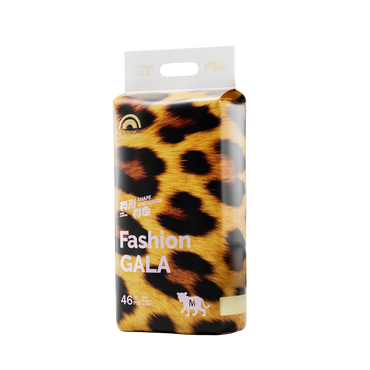
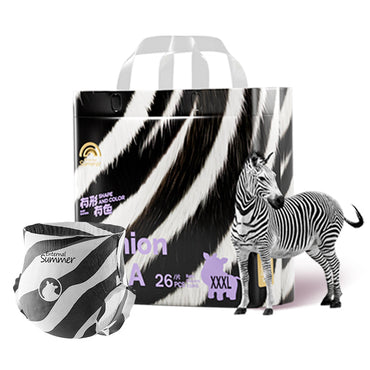
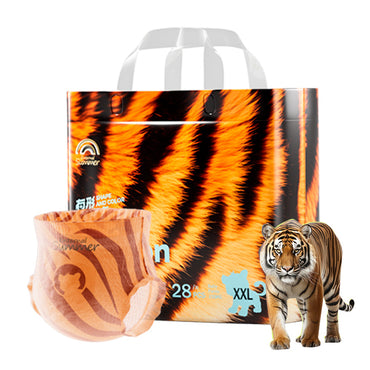
Explore this focus: Shape & Colour Series
6. Everyday skin comfort: keep the routine simple
When people talk about “skin-friendly” nappies, they often mean a nappy that feels soft, sits comfortably and is changed regularly. There is no one perfect material for every baby, so it is useful to notice how your baby responds to a particular size, fit and routine.
A comfortable, dry-feeling nappy and regular changes are sensible everyday foundations. If your baby has persistent irritation or you are worried about their skin, seek advice from a qualified health professional.
What to look for
- A soft surface and a fit that does not feel harsh or restrictive
- A consistent change routine
- A practical way to test a new series before committing to a larger order
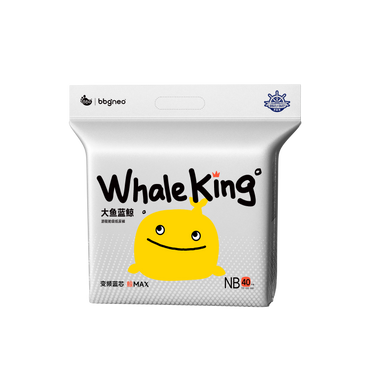
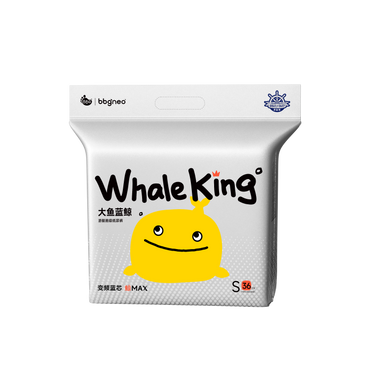
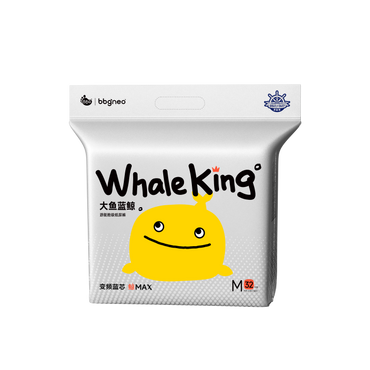
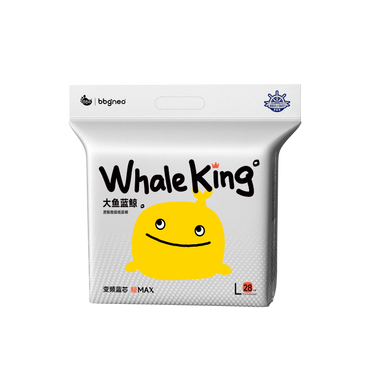
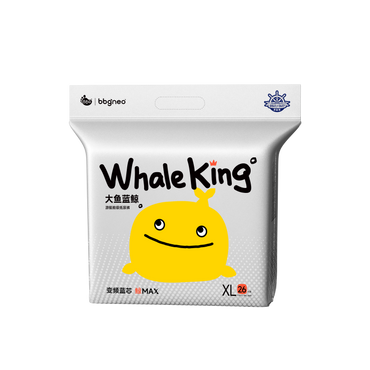
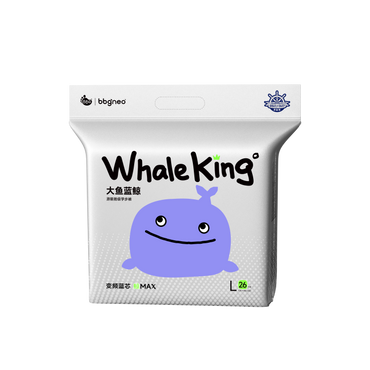
Explore this focus: BBG Whale King Premium Series
7. So, which type should you choose?
There is no universal “best” nappy. The right starting point depends on what you are trying to improve:
-
Feeling too bulky or warm? Start by comparing lighter, breathable options.
-
Wanting to focus on everyday comfort? Pay close attention to size, waistband flexibility and leg fit.
-
Not sure whether absorbency is the issue? Check fit and change routine before judging a nappy by thickness alone.
-
Trying a new series? Test it during your normal routine so you can judge the feel and fit properly.
Final thoughts
Ultra-thin and regular nappies are not opposites of “good” and “bad”. Thickness is only one part of the picture. A comfortable fit, suitable materials and a routine that works for your baby will tell you far more than bulk alone.
Not sure which nappy series to try?
Our AU$59.90 Next-Generation Nappy Starter Bundle is made for parents who would like a clearer starting point. Choose your nappy type, size and up to two needs, and we’ll help guide you towards suitable options to try.
Explore the AU$59.90 Starter Bundle →