When a baby starts crawling, parents often notice that a nappy which seemed fine a few weeks ago suddenly looks or feels different. The tabs can shift, the leg cuffs may tuck in after a busy play session, and a change that once took a minute can become a small workout.
This is a normal part of development. Crawling changes how your baby bends at the waist, pushes through their legs and twists from side to side. The right nappy is not just about the number on the pack: it is also about a secure, comfortable fit that keeps up with everyday movement.
Why crawling changes the way a nappy sits
Before babies become mobile, they spend more time lying down or being held. Once they start rolling, crawling and pulling up, the waistband and leg areas move more often. A nappy may shift during repeated bending, and leg cuffs can fold inward if they are not checked after putting it on.
This does not automatically mean you need to move up a size or switch to nappy pants. Start by looking at the fit: the waist should sit comfortably, the fastening tabs should lie flat, and the leg cuffs should be pulled out around the thighs. A nappy that is regularly very tight, leaves deep marks or does not contain normal wees as expected may need a closer look at size and fit.
Three everyday moments to check
1. Tummy time turns into crawling practice
At first, your baby may spend a few minutes rocking on hands and knees, then suddenly start moving across the mat. Before playtime, check that the nappy is centred and the leg cuffs are sitting out. After a longer session, it is worth doing a quick visual check rather than waiting until the next scheduled change.
2. A pram trip or errands around town
When your baby is buckled into a pram or car seat, their waist bends differently from when they are lying flat on a change mat. Fasten the nappy smoothly before you leave, without pulling the waistband unusually high or tight. When you arrive, check for a comfortable fit before putting your baby down to crawl or play.
3. The lead-up to a nap
Many babies are most active just before a nap. A fresh nappy and a careful cuff check can make that transition simpler. If your baby has been crawling around the room, take a moment during the change to make sure the nappy has not twisted and that the tabs are still even on both sides.
How to do a quick movement-friendly fit check
-
Check the waist: it should feel secure without digging in. You should be able to slide two fingers gently inside the waistband.
-
Check the leg cuffs: run a finger around each cuff to bring it out from under the nappy.
-
Check the position: the nappy should sit level at the front and back, not pulled much higher on one side.
-
Check after movement: after crawling, a pram ride or a very active play session, look for shifted tabs or tucked-in cuffs.
Choosing a nappy for this stage
For newly mobile babies, look for verified features that match the job: a light, flexible feel and an absorbent structure for everyday wetness. Features alone cannot guarantee a perfect fit or prevent every leak; the size, the way the nappy is fitted and when it is changed all still matter.
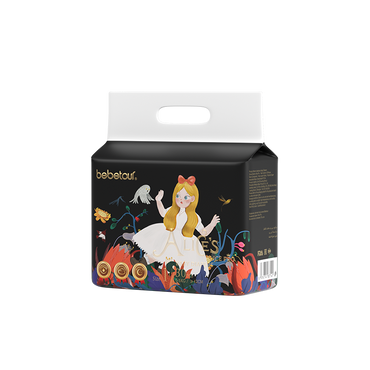
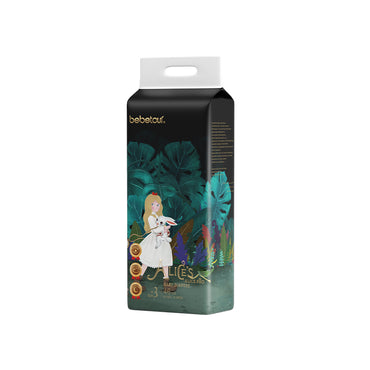
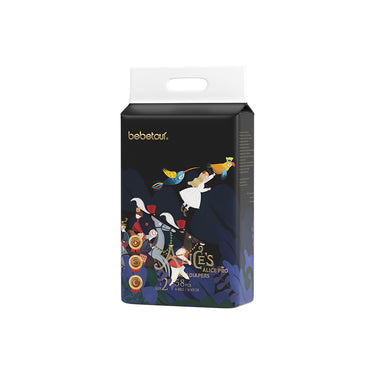
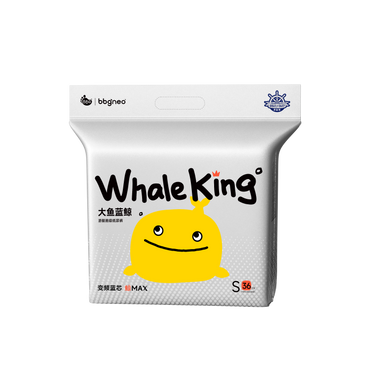
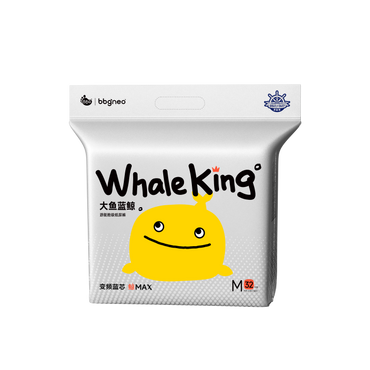
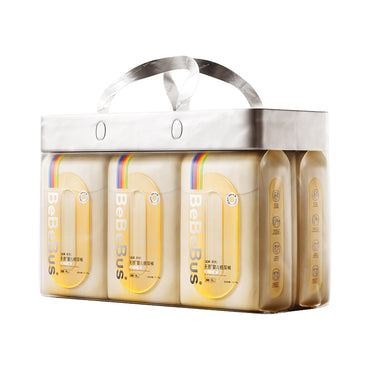
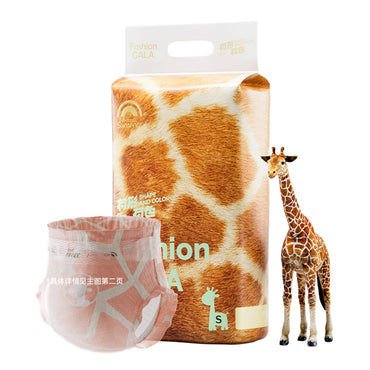
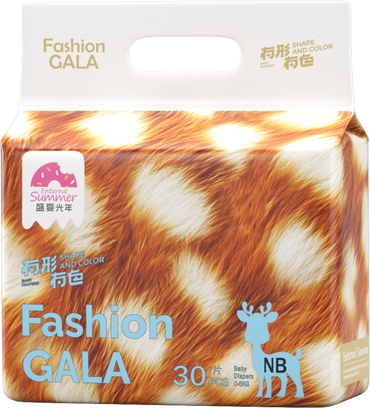
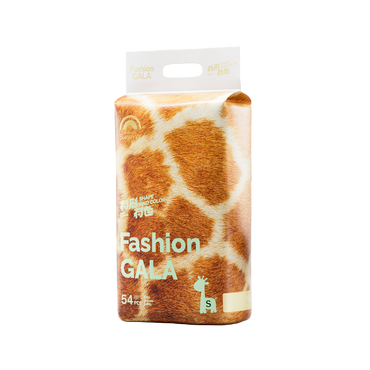
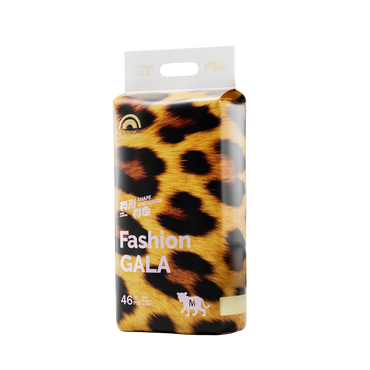
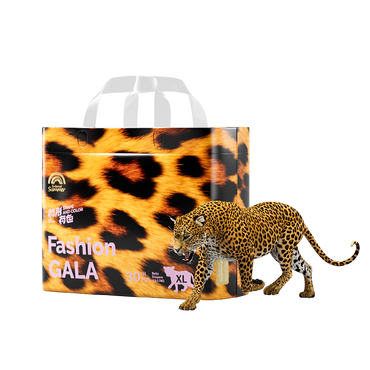
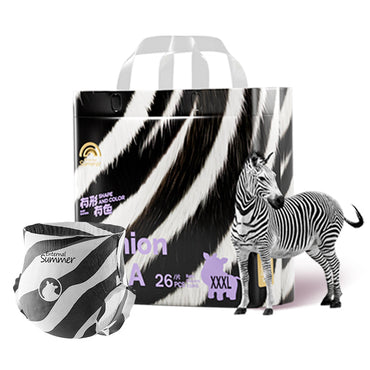
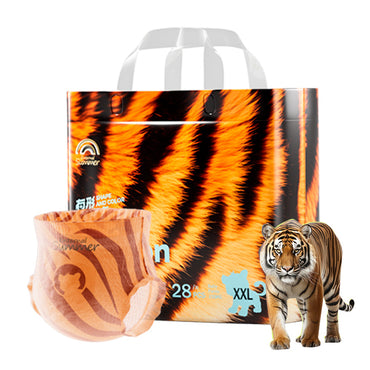
Enternal Summer Shape & Colour MINI Nappies are side-fastening nappies in sizes S (4–8 kg) and M (6–11 kg), designed for the rolling, crawling and first-steps stage. Their light, flexible feel and triple absorption channels are intended to support comfortable everyday movement. Use the product’s size guidance together with your own fit check for your baby.
When to ask for advice
Seek advice from a GP, child health nurse, pharmacist or other qualified healthcare professional if your baby has persistent or worsening redness, broken skin, blisters, swelling, fever, pain, or seems unusually distressed. A healthcare professional can provide advice for your child’s individual needs.
The crawling stage brings lots of change, but nappy fit does not need to become complicated. A quick cuff-and-waist check at the right moments, paired with a nappy that suits active movement, can help you keep changes practical as your baby explores.