Bath time can be one of the loveliest parts of the day, but the few minutes that follow can feel surprisingly rushed. Your baby may be warm, wiggly or ready for a feed, and their skin is freshly washed and still a little damp. A calm, repeatable nappy-change routine helps you slow that moment down without making it complicated.
This guide is for Australian parents who want a practical way to make post-bath nappy changes more comfortable. It is general care information, not medical advice.
Why the minutes after a bath can feel different
Warm water, a towel rub and a change in room temperature can all make a baby more aware of touch. Skin folds can also hold a little moisture if they are covered before they are properly dry. That does not mean a bath causes a skin problem; it simply means the transition from bath to nappy is worth handling gently.
The aim is not a perfect, lengthy ritual. It is to keep the change area warm, dry your baby by patting rather than rubbing, and choose a nappy that feels comfortable against freshly washed skin.
A simple post-bath routine
1. Set up before the bath
Before you run the water, place a clean nappy, towel, clothes and wipes within arm’s reach. After a bath, a baby can become unsettled quickly if they are cold or hungry. A prepared change space means you are not searching through drawers while your baby is waiting in a towel.
Scenario: a winter evening in Melbourne. Keep the room comfortably warm, close drafts and have a dry towel ready. Move your baby straight from the bath to the change area, rather than pausing for other tasks.
2. Pat dry the areas a nappy will cover
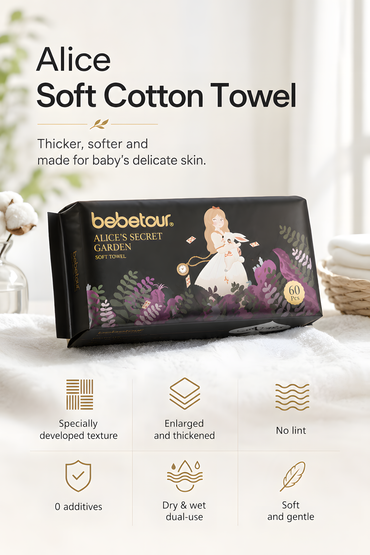
Use a soft towel to gently pat the skin dry, including the creases around the legs and bottom. Rubbing can feel uncomfortable on freshly bathed skin, especially if your baby is already tired. There is no need to overwork the towel; a few gentle presses are usually enough before a clean nappy goes on.
Scenario: after a splashy bath. If your baby has been kicking and laughing in the water, they may have more water sitting in skin folds. Take an extra moment to pat those areas dry before dressing them for bed.
3. Check the nappy fit, not just the size on the pack
A nappy should sit securely without leaving deep marks around the waist or legs. Run two fingers around the waistband and leg cuffs, then check that the cuffs are sitting out rather than folded in. Fit changes as babies grow, become more mobile and drink different amounts through the day, so a familiar size may occasionally need reassessing.
Scenario: bedtime after a busy day. If your baby has crawled, played or spent time in the pram, a quick fit check before sleep can help avoid twisted cuffs or a waistband that has been pulled out of place while dressing.
What to look for in a nappy after bath time
For this part of the routine, focus on comfort features that are genuinely relevant: a soft surface, fast absorption for normal use, and a breathable design. These features do not diagnose or treat skin conditions, but they can support a comfortable everyday changing routine when paired with gentle drying and a good fit.
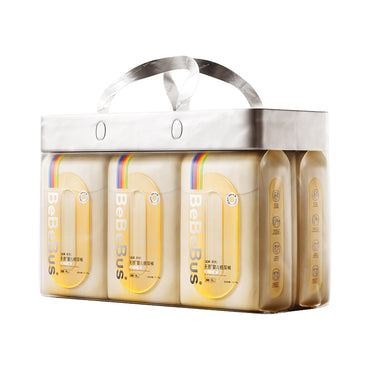
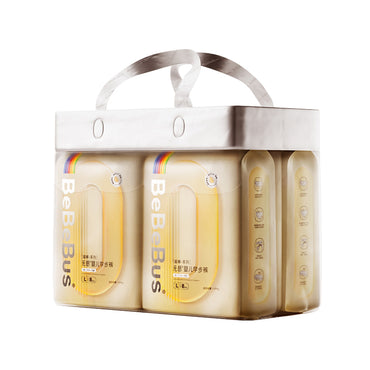
BeBeBus ZERO+ Ultra Comfort Nappies are a nappy option for babies in NB to M sizes. The product’s floating cushion surface is designed for a soft feel, while its 5D rapid absorption and dual-airflow design support a drier, more comfortable everyday nappy environment. If you choose them, use the size guide and your own fit check to select the right option for your baby.
Keep the rest of bedtime low-pressure
Once the nappy is on, add a comfortable layer, offer a feed if that is part of your routine, and keep lights and noise low. This is especially useful when a bath leads directly into sleep. If your baby becomes upset during changes, try shortening the time they are uncovered, offering a familiar song, or letting them hold a safe distraction while you finish.
On busier evenings, it is also fine to keep the routine simple: bath, pat dry, fresh nappy, pyjamas and bed. Consistency is more useful than adding lots of products or steps.
When to seek personalised advice
Contact a GP, child health nurse, pharmacist or other qualified healthcare professional if you notice a persistent or worsening rash, broken skin, blisters, swelling, fever, pain, or if your baby seems unusually distressed. They can advise you based on your child’s individual situation.
A calm after-bath change is built from small details: a prepared space, gentle drying, a careful fit check and a nappy whose verified features suit the routine. Over time, those small choices can make the move from bath time to bedtime feel easier for everyone.