How Should Nappy Pants Fit? A Practical Guide for Australian Parents
Share
A well-fitting nappy pant should feel secure while your child moves, without looking tight or leaving obvious gaps. It is easy to focus only on the number on the pack, but fit is something you can see in your child’s ordinary day: while they crouch for a toy, sit in the pram, climb at the playground or settle for a nap.
Nappy pants are designed as a pull-up format for mobile babies and toddlers. They can be a useful option once changes involve more standing, walking and wriggling. But the right format still needs the right fit. This practical guide helps Australian parents check a nappy pant calmly and make sensible adjustments when something does not look or feel right.
The four signs of a comfortable fit
After putting on a clean nappy pant, take a moment to check four things before pulling clothes back on:
- The waist sits level: it should sit around the waist without rolling down, folding over or looking overly stretched.
- The leg cuffs lie flat: run a finger around each leg opening to make sure the cuffs are not tucked in and there are no visible gaps.
- There is room for movement: your child should be able to sit, squat, crawl and walk normally.
- There are no deep pressure marks: a faint temporary line can happen, but deep or persistent marks are a prompt to reassess the fit and size.
There is no need to pull a nappy pant extremely high or tight. A secure, even fit is more useful than extra tension around the tummy or thighs.
Check fit in real life, not only on the change mat
1. At home after a standing change
Standing changes can be convenient once a toddler is steady on their feet. Pull the nappy pants on evenly, then let your child take a few steps or squat down for a toy before you judge the fit. This is often when a waistband that looked fine at first shows whether it stays comfortable through movement. If your child is not yet stable standing, use a safe changing surface and keep one hand on them.
2. During an outing or pram ride
Before heading to the park, shops or childcare, check that the waistband has not rolled and the leg cuffs are sitting flat after your child has been dressed. In a pram or car seat, clothing can bunch around the waist. When you stop for a change, smooth the nappy pant and clothes back into place rather than relying on the fit you saw at home that morning.
3. Through playtime and naptime
Crawling, climbing and sitting on the floor all put a nappy pant through a different kind of movement. Notice whether your child seems comfortable as they play, then check again before nap time. Change promptly when wet or soiled, regardless of the advertised wear time. A nappy pant is not meant to stay on for a fixed number of hours simply because it still looks tidy.
When a different size may be worth trying
Weight ranges are a helpful starting point, but they are not the whole story. Children with the same weight can have different body shapes and movement patterns. Consider checking another size if you regularly see the waistband rolling, leg openings gaping, deep marks, or a fit that seems uncomfortable during ordinary activity.
Moving up is not always the answer: a nappy pant that is too large can leave gaps, while one that is too small can feel tight. Use the product’s size guidance, then observe your child walking and sitting. If you are unsure, trying the adjacent size at home in a low-pressure moment can provide a clearer answer than changing size during a rushed outing.
Choosing features that match an active day
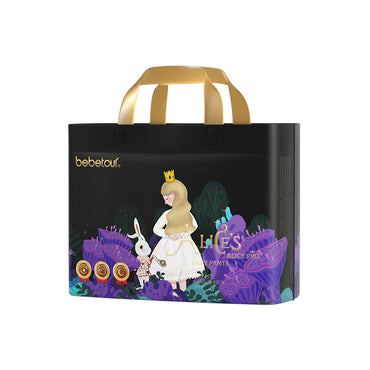
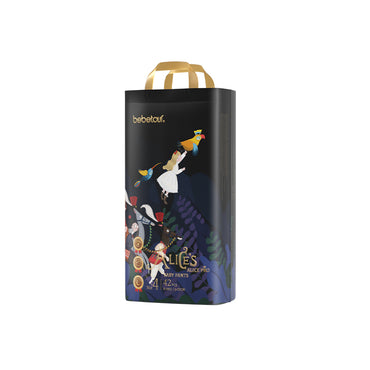
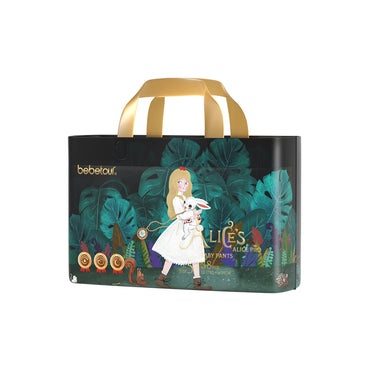
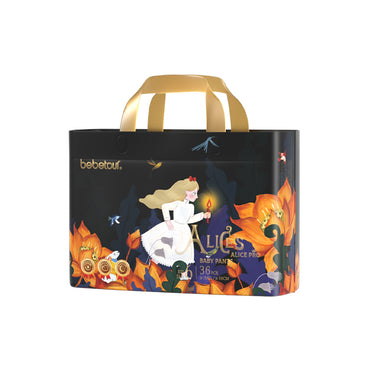
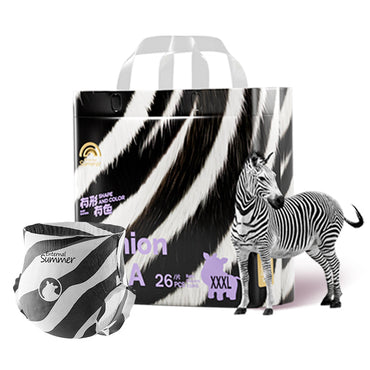
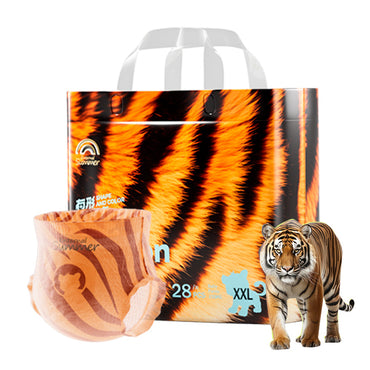
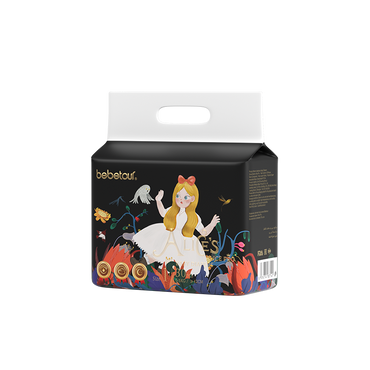
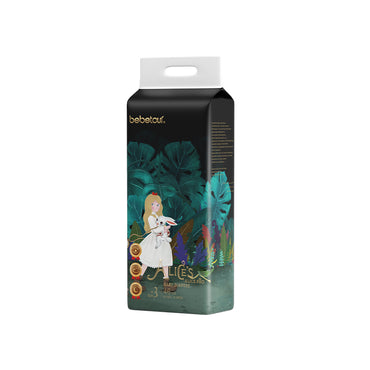
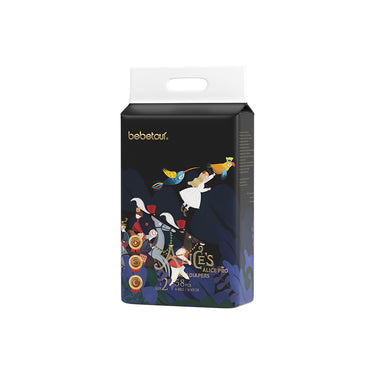
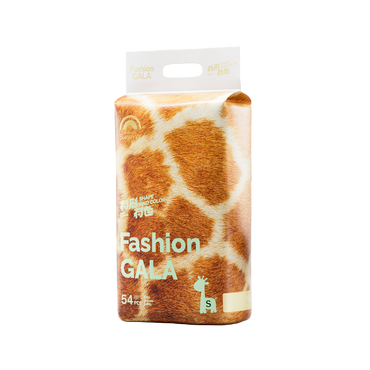
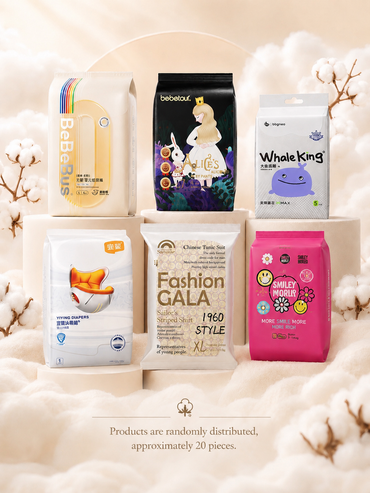
For an active toddler, a soft waistband, breathable materials and an easy pull-up format can make routine changes easier to manage. Bebetour Royal Feather Nappy Pants are available in sizes L to XXXL and are designed for this everyday use, with a feather-soft waistband, lightweight breathable comfort and an easy pull-up fit for home, outings and play. Those features support comfortable movement, but they do not replace regular changes or a fit check.
Comfort and skin care go together
Fit is only one part of everyday skin comfort. Change wet or soiled nappies promptly, clean gently, pat dry rather than rubbing, and give your child short nappy-free moments when practical. Heat, moisture, friction, a change in routine and contact with a soiled nappy can all affect how skin feels.
If your child has a rash that is severe, blistering, spreading, painful, accompanied by fever, or not improving after a few days of gentle care, speak with a GP, maternal and child health nurse, pharmacist or other qualified health professional. This is general parenting information, not medical advice.
The takeaway
The best nappy pant fit is one that lets your child move freely while sitting securely at the waist and legs. Check it after a standing change, on an outing and during active play—not just when your child is lying still. A few calm fit checks can make the everyday routine more comfortable for everyone.
上一篇
How to Make Overnight Nappy Changes Less Disruptive for Babies
更新于 15 August 2026